Ordering Replacement Vacuum Cups: A Buyer's Checklist
Prepare a replacement vacuum cup order with exact model quantities, fitting checks, delivery details and purchasing documents. Avoid cup and fitting mix-ups.
Read technical guide →Browse practical selection, installation and purchasing guides by the same product families used in our catalogue. Confirm every model against its drawing and application requirements.
Prepare a replacement vacuum cup order with exact model quantities, fitting checks, delivery details and purchasing documents. Avoid cup and fitting mix-ups.
Read technical guide →
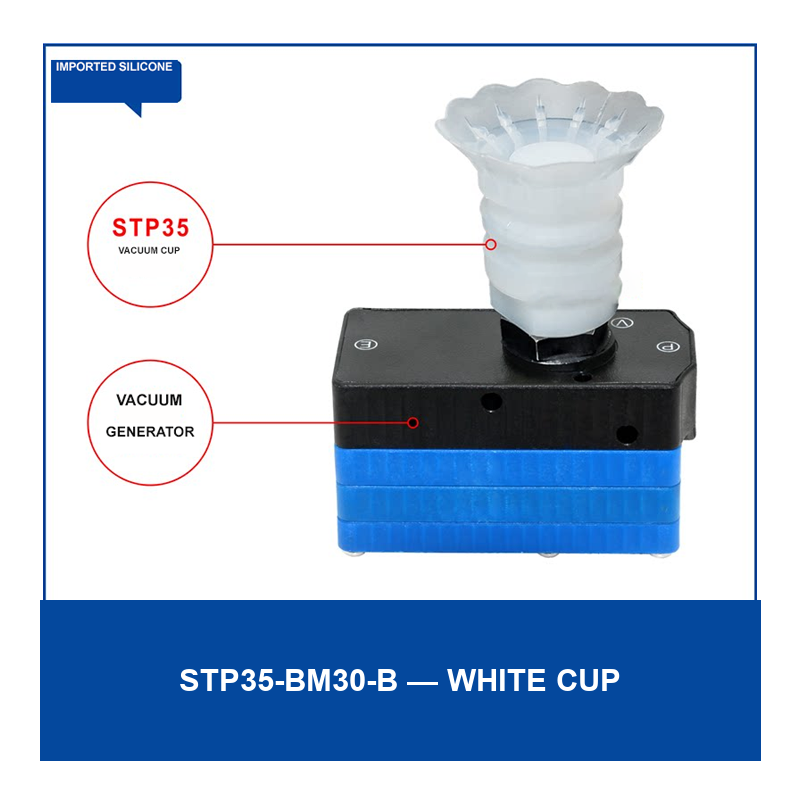
Compare BOLTTE STP35 and STP60 model groups, cup-only replacements and assembly options. Check mounting, included parts and order details before buying.
Read technical guide →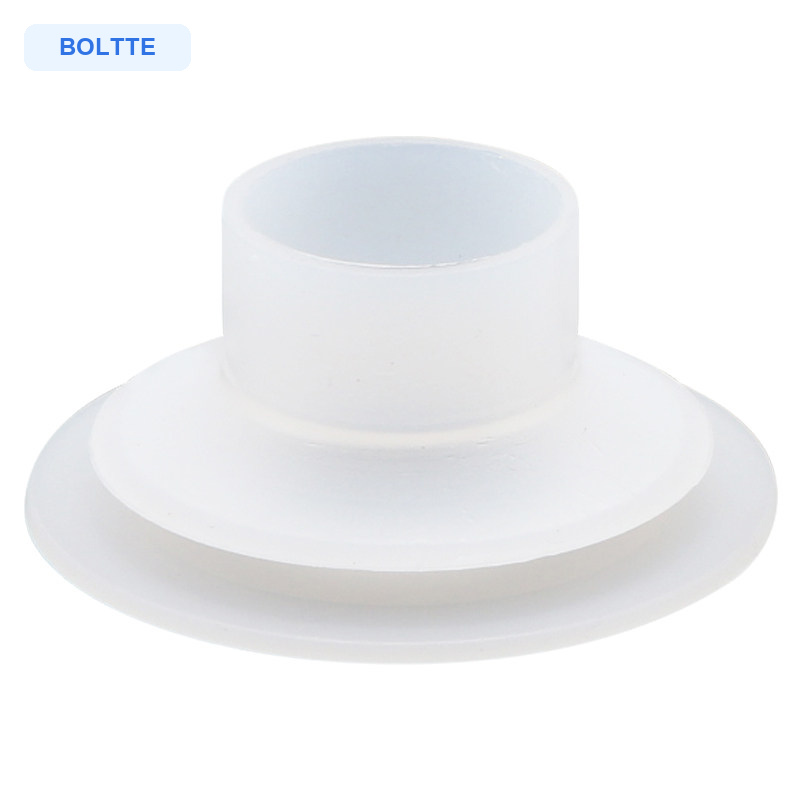
Select 60 mm or 84 mm down-filling silicone vacuum cups by opening, height and tooling fit, then install and validate the setup in production.
Read technical guide →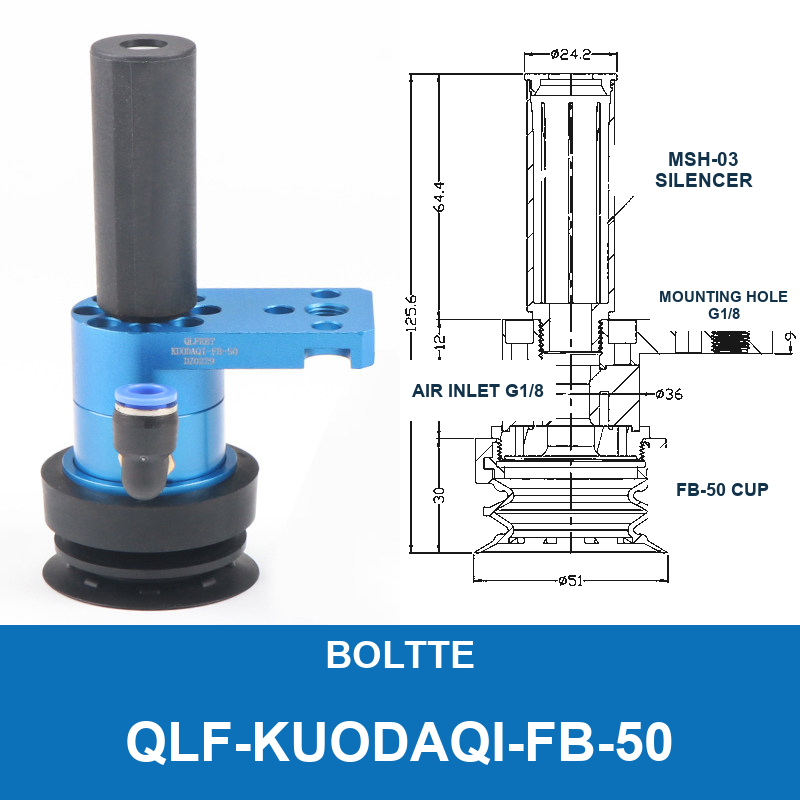
Choose SLB-50 thin-lip vacuum cup assemblies by material, air connection and pickup surface, then verify fit, holding performance and safe production use.
Read technical guide →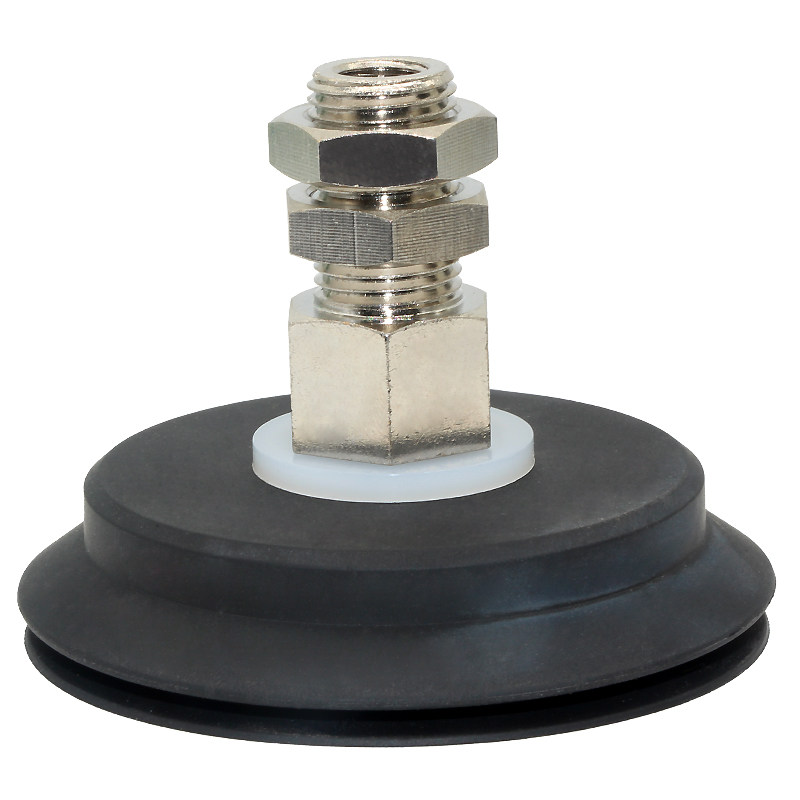
A practical guide to choosing vacuum cups for glass and smooth panels, covering surface protection, material, diameter, layout, monitoring and validation.
Read technical guide →
A practical guide to selecting vacuum cups for sheet metal, including oil, flatness, edges, holes, material, diameter, layout and production-speed validation.
Read technical guide →
Select vacuum cups for cardboard, wood, foam and textured surfaces by leakage rate, cup profile, vacuum flow and handling conditions.
Read technical guide →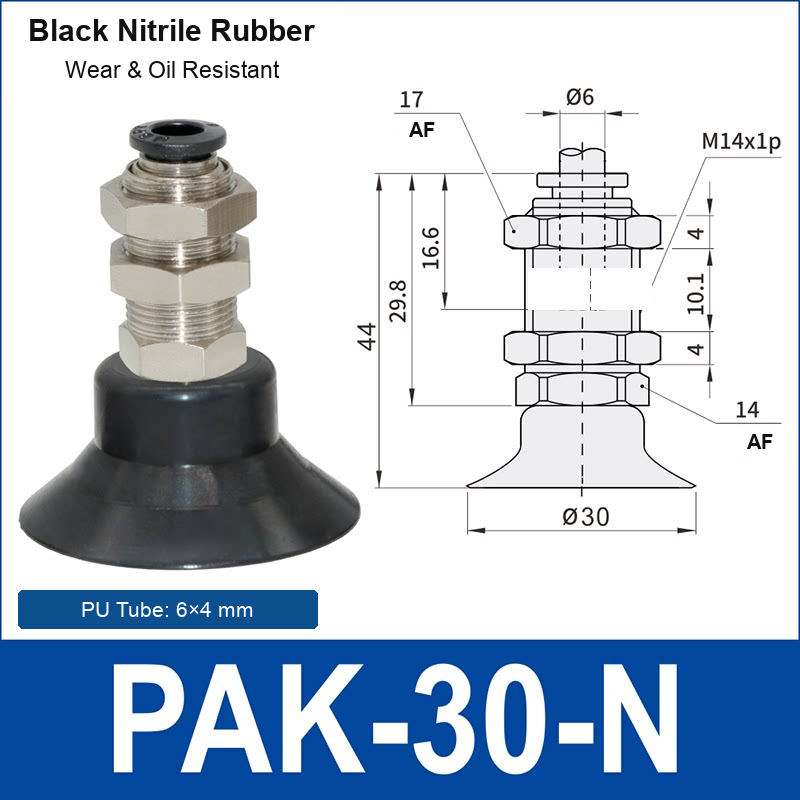
A practical daily, weekly and monthly vacuum cup maintenance checklist for preventing leaks, slow pickup, premature wear and unplanned downtime.
Read technical guide →
Diagnose vacuum cup leaks, weak holding force, slow pickup, dropped parts and rapid wear with a practical inspection sequence.
Read technical guide →
Choose a vacuum cup by workpiece surface, profile, material, diameter, load, motion and mounting, with links to detailed BOLTTE guides and products.
Read technical guide →
Compare flat, single-bellows and multi-bellows vacuum cups by surface shape, height compensation, stability, response time and handling risk.
Read technical guide →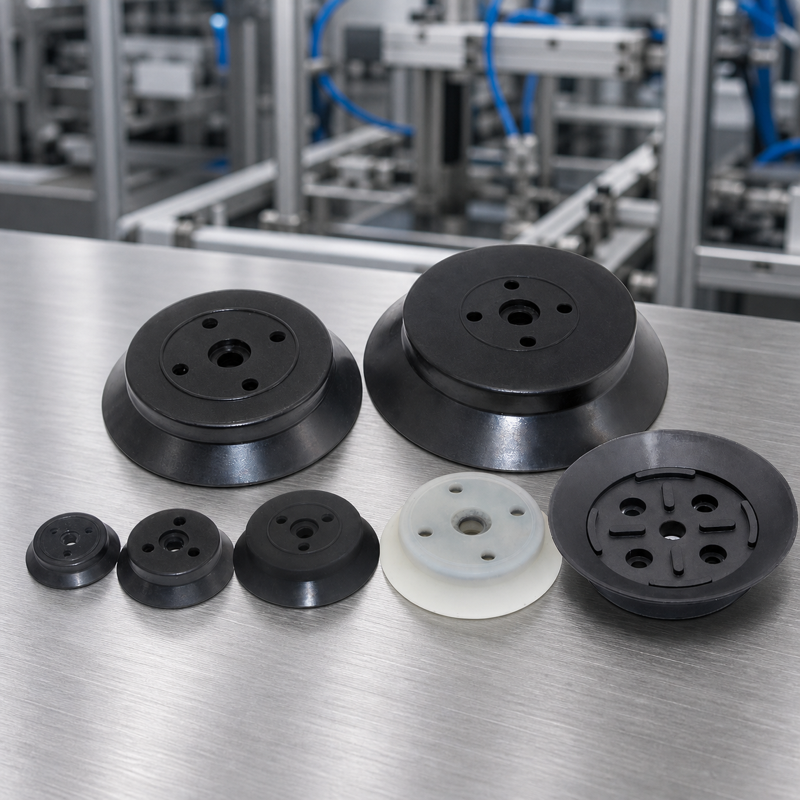
Calculate vacuum cup holding force from pressure and sealing area, apply safety factors and motion loads, then choose and validate cup diameter.
Read technical guide →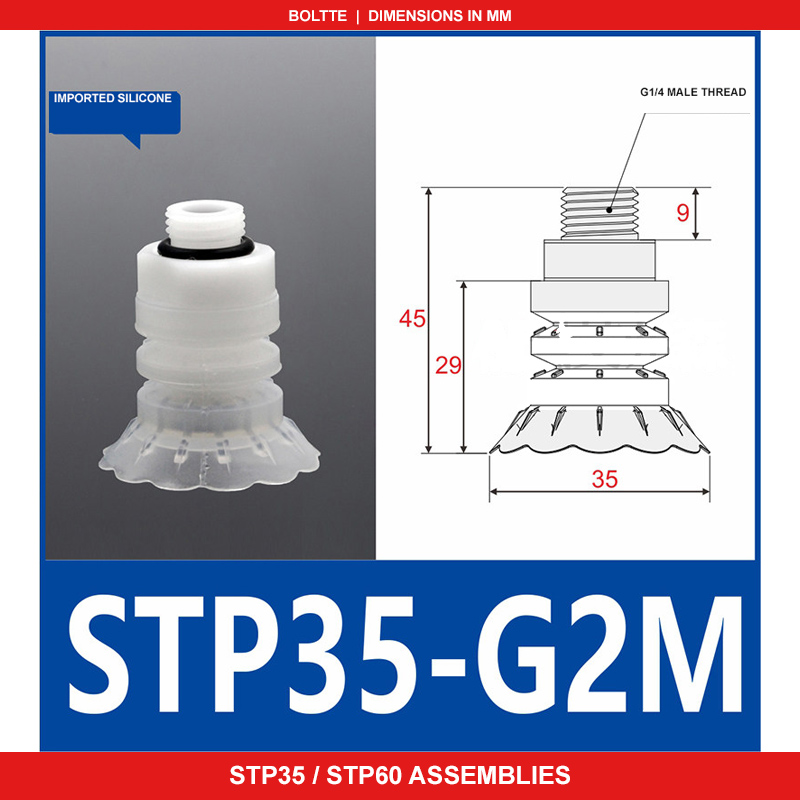
A practical selection method for bag-opening cups covering film, pickup point, diameter, profile, leakage, vacuum flow, mounting and production testing.
Read technical guide →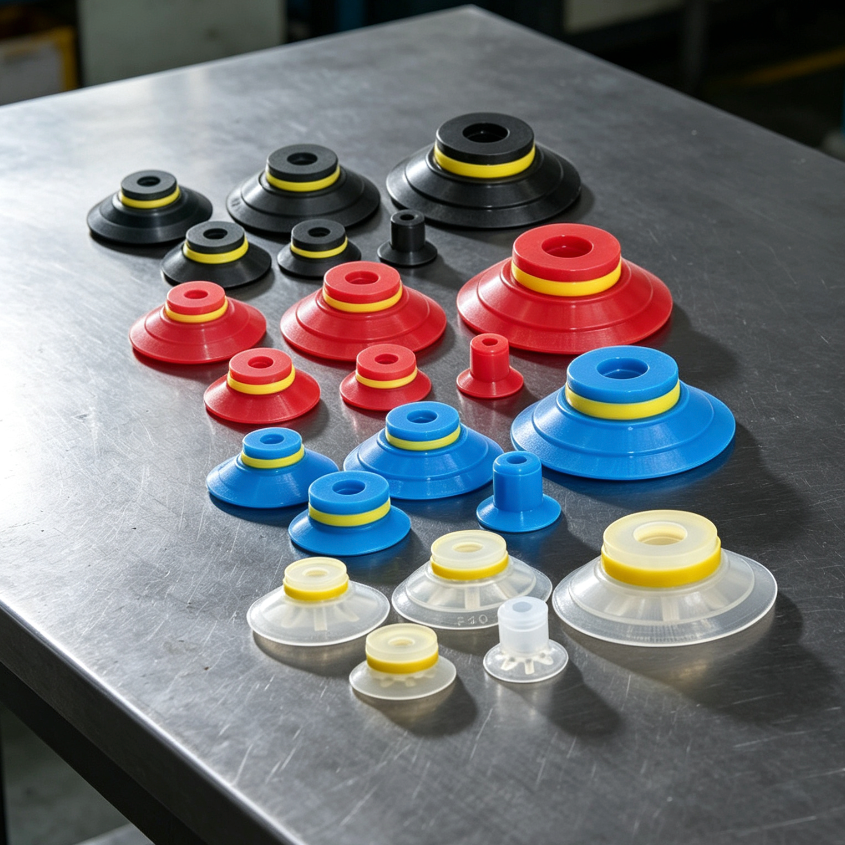
Compare silicone and NBR vacuum suction cups by temperature, oil resistance, wear, sealing behavior and application before choosing a material.
Read technical guide →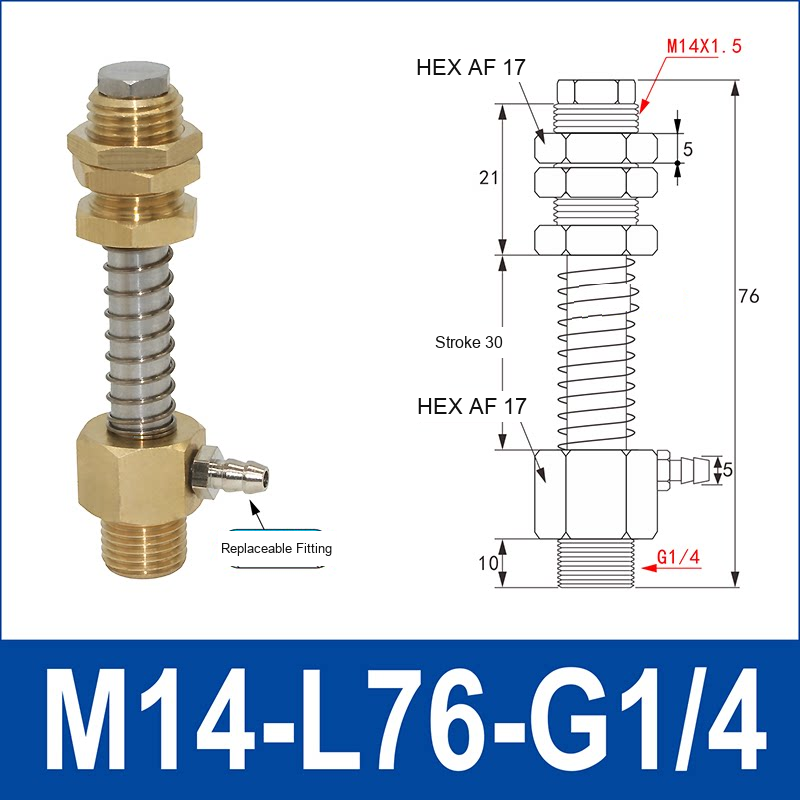
Choose vacuum cup holders by cup thread, mounting thread, port direction, tube size, stroke, height variation and workpiece sensitivity.
Read technical guide →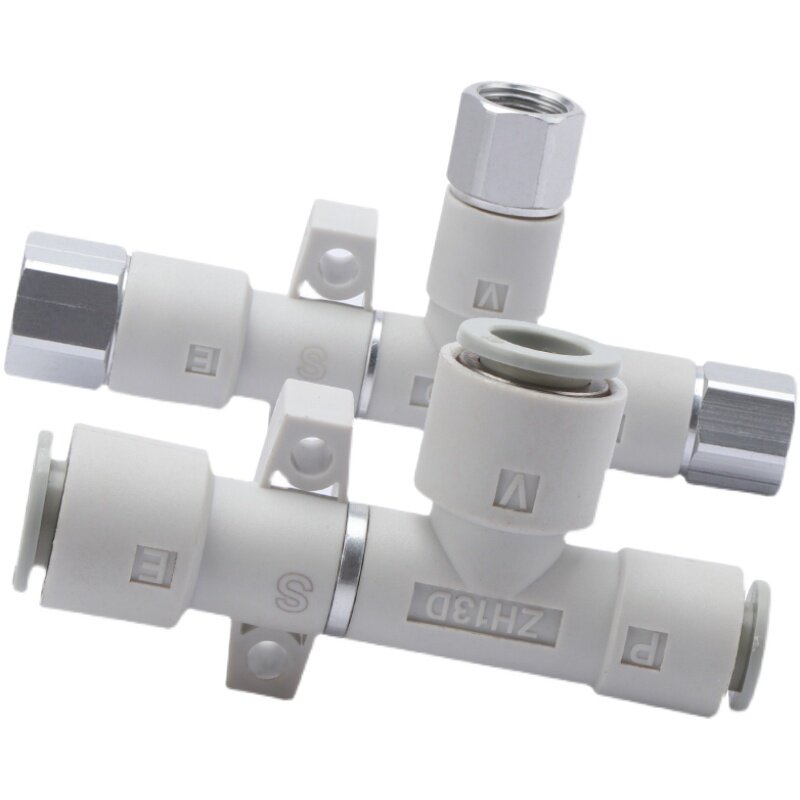
A vacuum generator must match the workpiece leakage, evacuation time and available utilities, not simply the highest vacuum number. This guide explains how…
Read technical guide →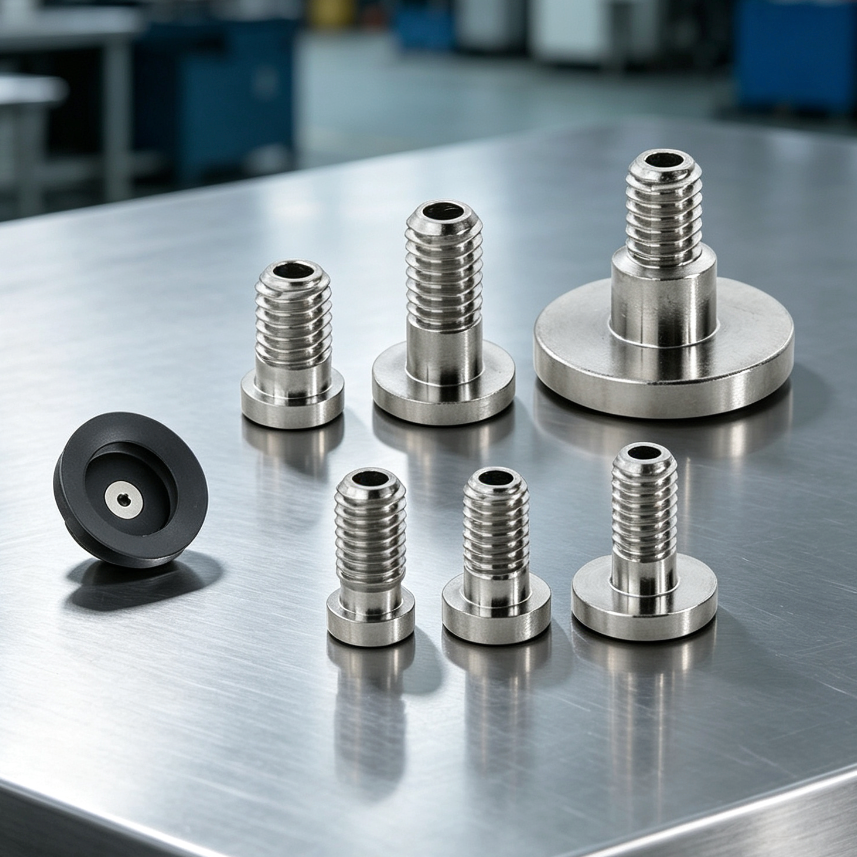
Slow pickup can originate in the tubing between a functioning generator and a correctly selected cup. Diagnose the pneumatic path before increasing the…
Read technical guide →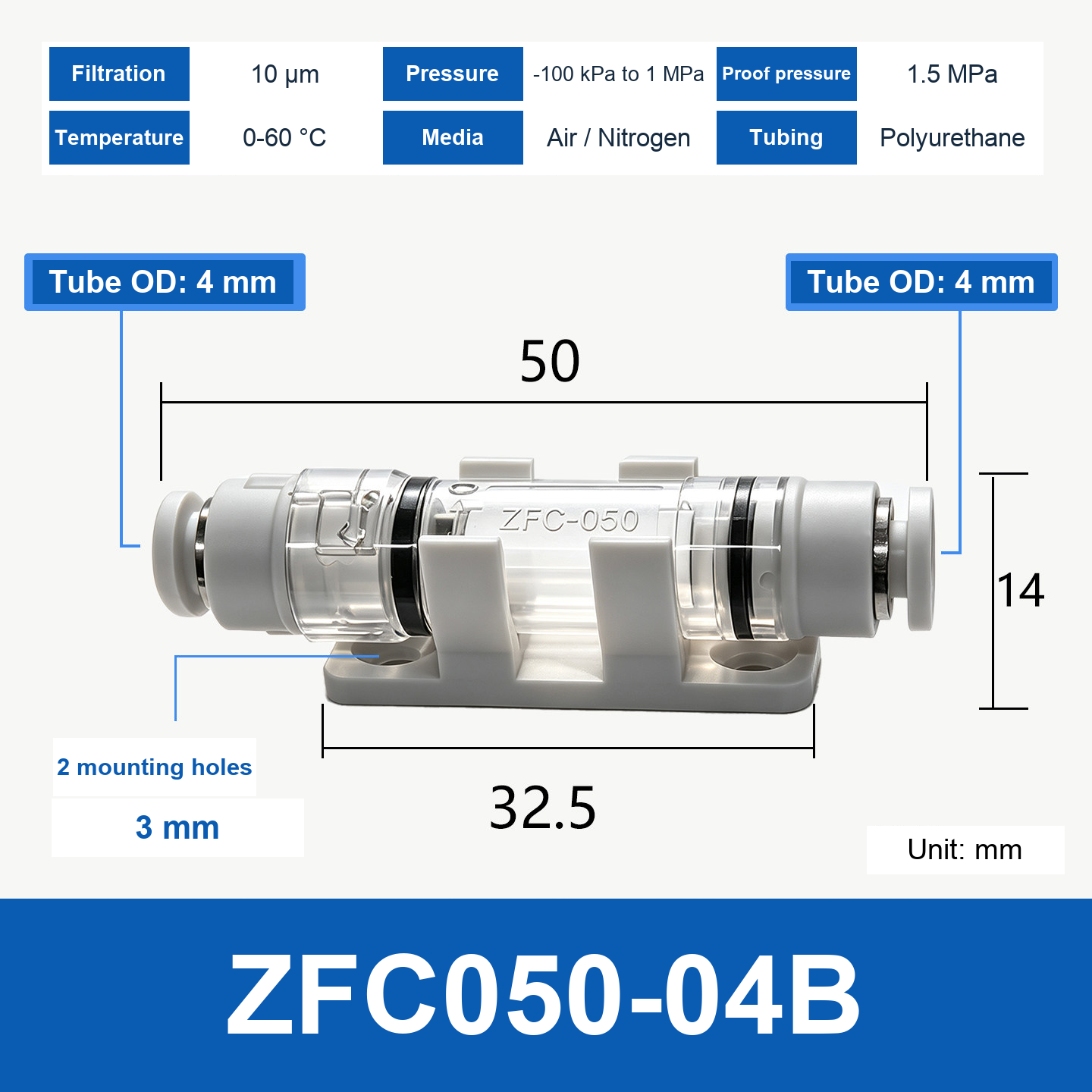
Vacuum filters protect the downstream circuit from particles drawn in at the workpiece. Selection also affects restriction and maintenance access. Identify…
Read technical guide →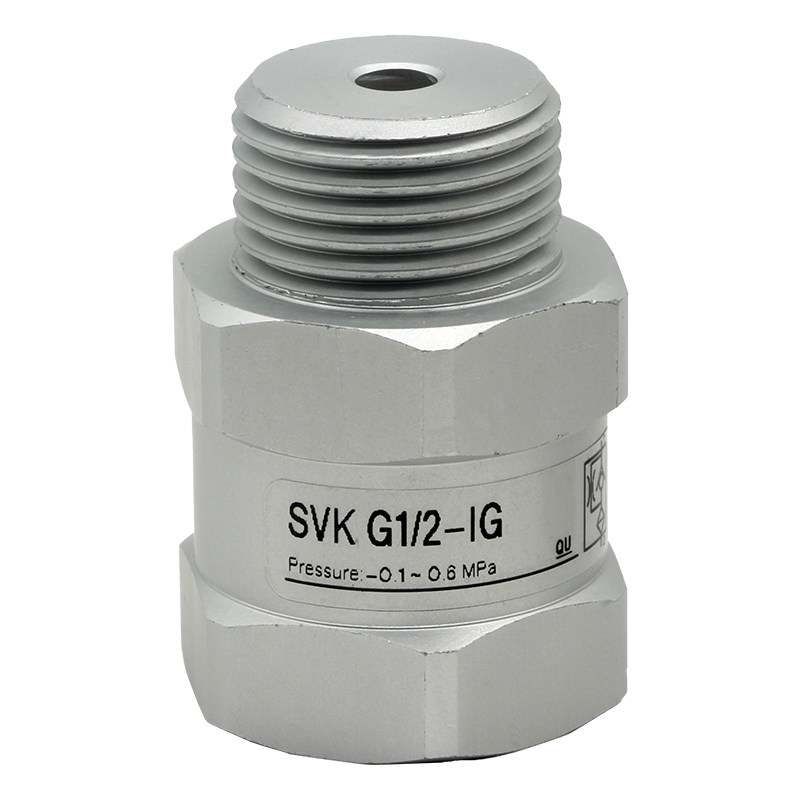
A multi-cup tool may lose vacuum through a cup that misses the workpiece. Branch valves can address specific circuit conditions, but a logic valve, check…
Read technical guide →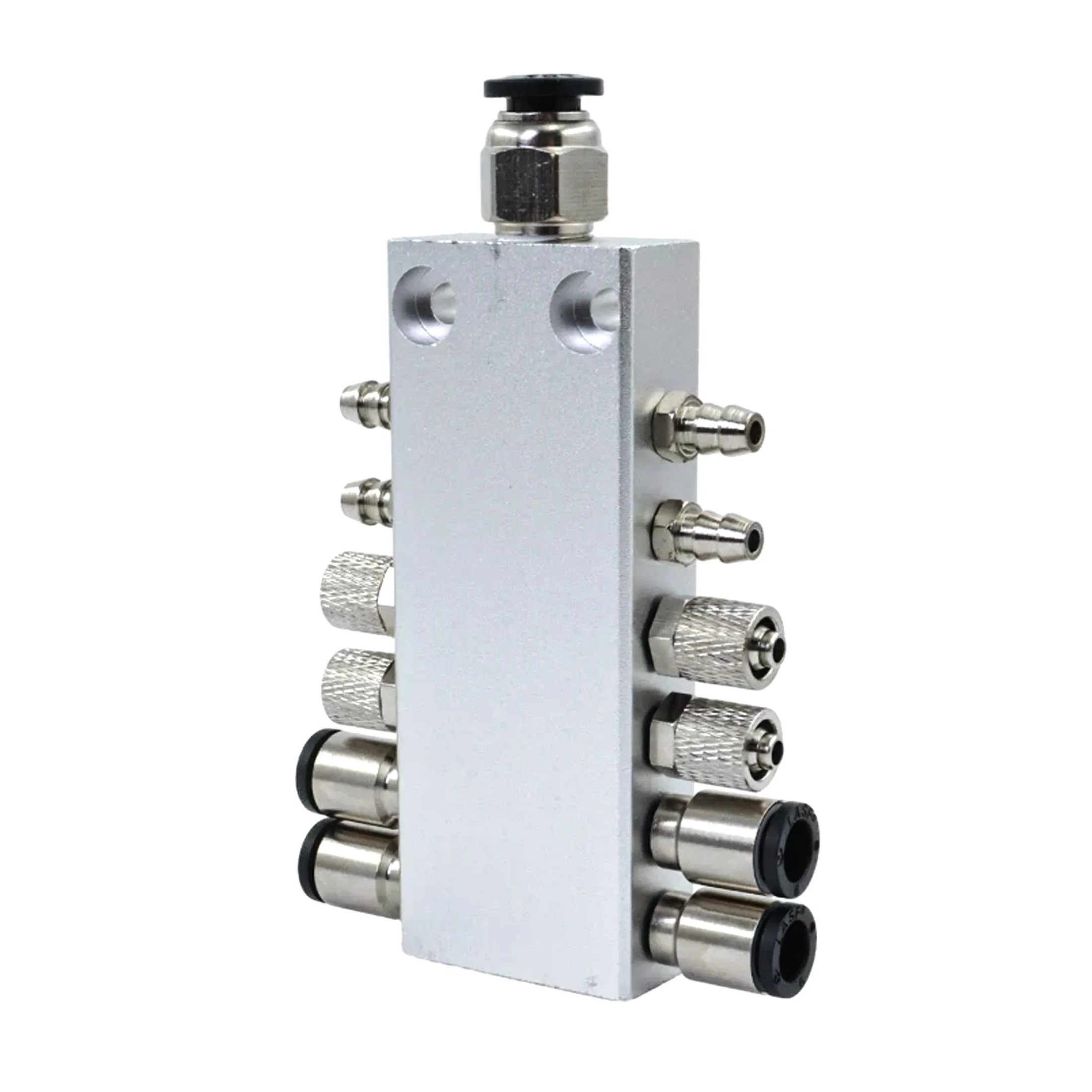
Choose pneumatic air manifolds by outlet count, thread, fitting type and tubing. Check air preparation, pressure drop and installation before ordering.
Read technical guide →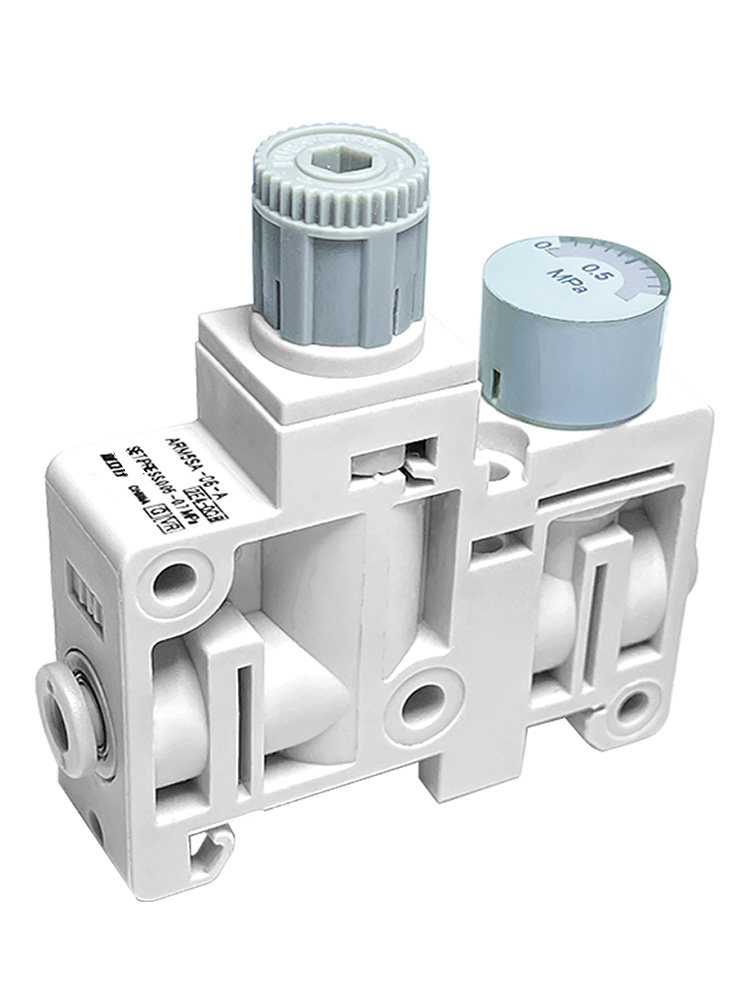
A pressure gauge can show the desired setting while an actuator still responds poorly during a cycle. Assess the regulator under flow, not only at rest. Use…
Read technical guide →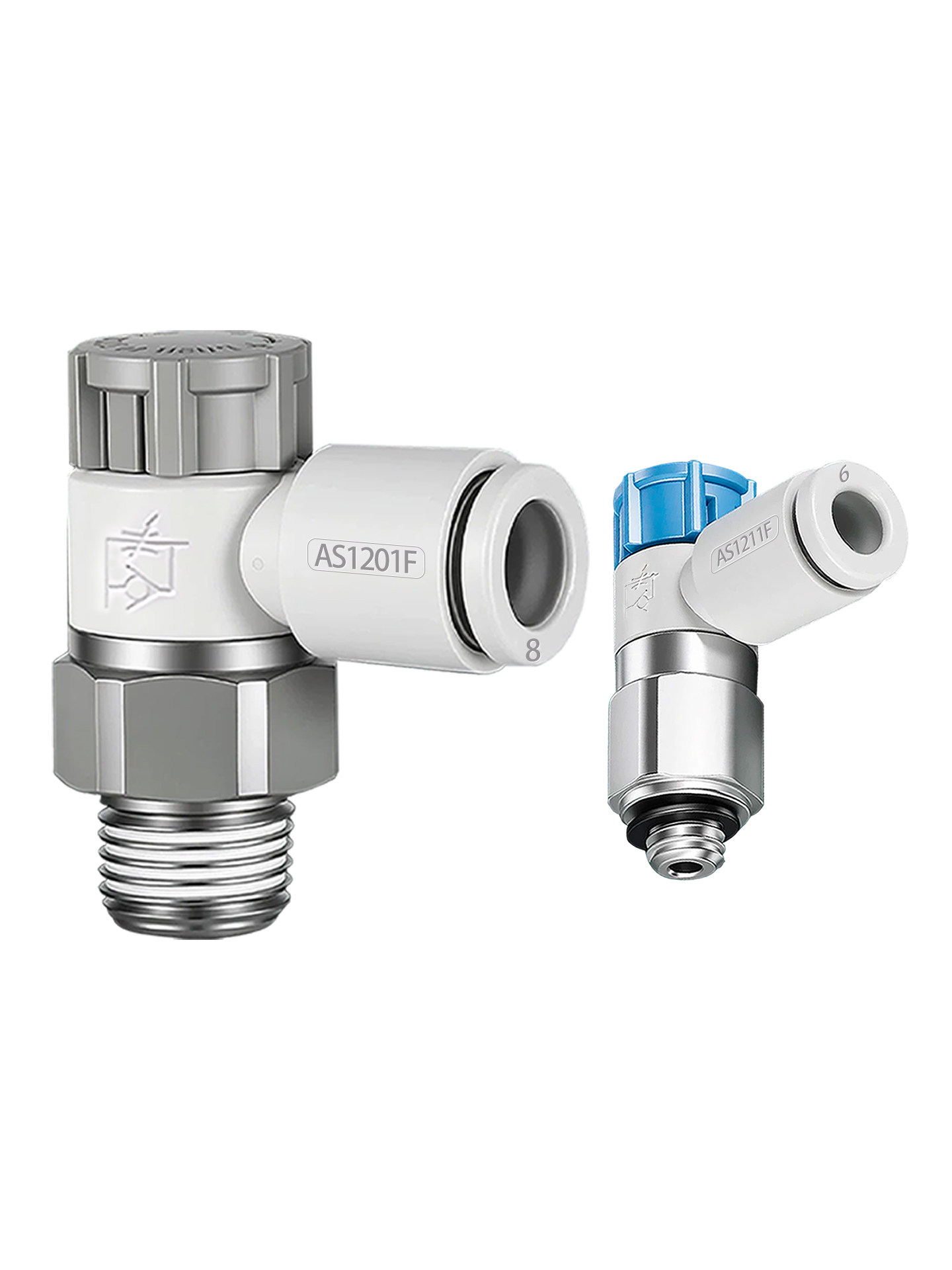
Cylinder speed depends on controlled airflow and load behavior, not merely the regulator setting. Meter-in and meter-out flow controllers act in different…
Read technical guide →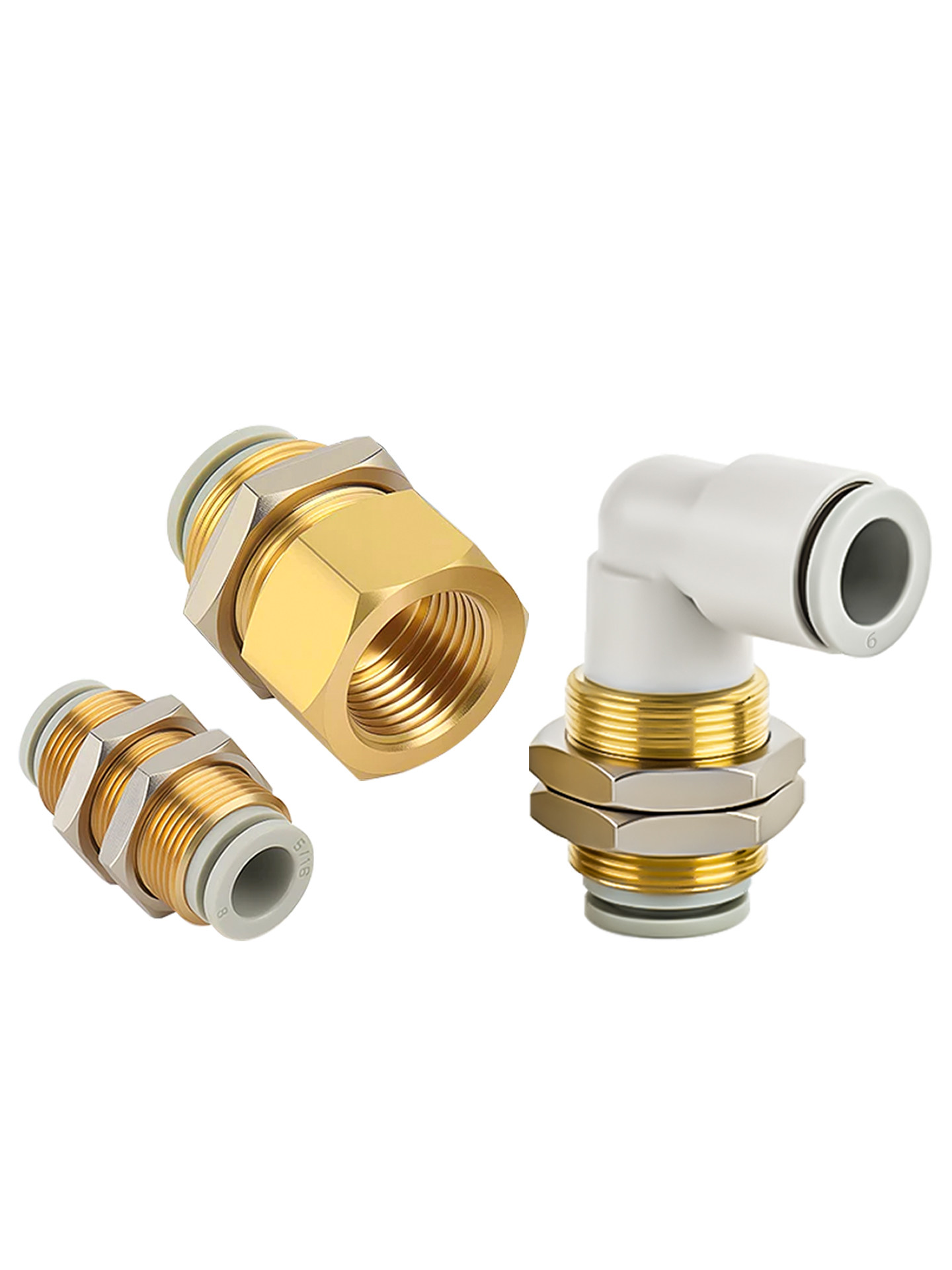
A push-in fitting must match the tubing and the threaded or panel interface independently. Similar dimensions do not guarantee a sealed pneumatic…
Read technical guide →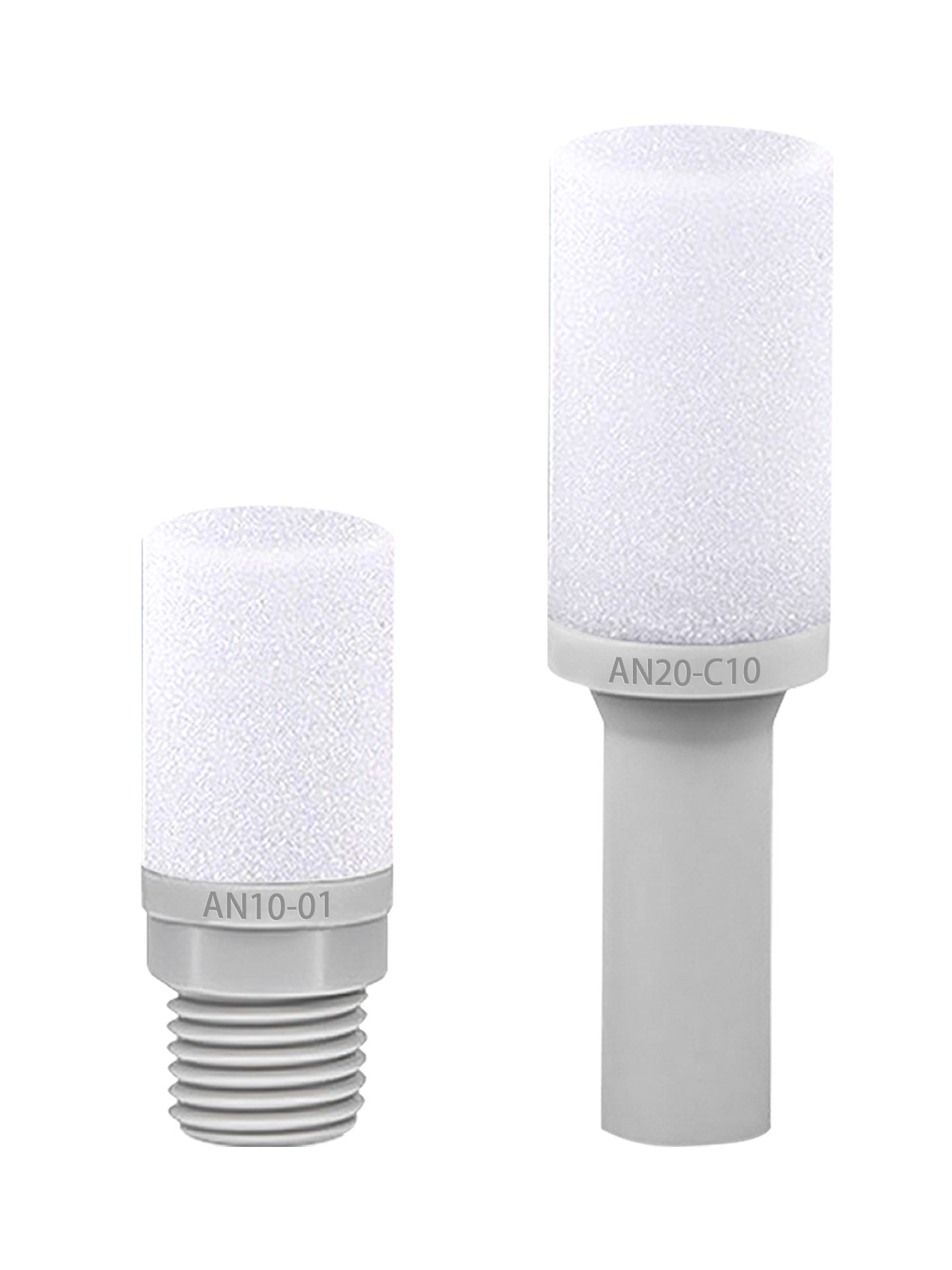
A pneumatic exhaust silencer reduces emitted noise, but its connection and flow capacity also belong in the circuit review. A clogged or undersized exhaust…
Read technical guide →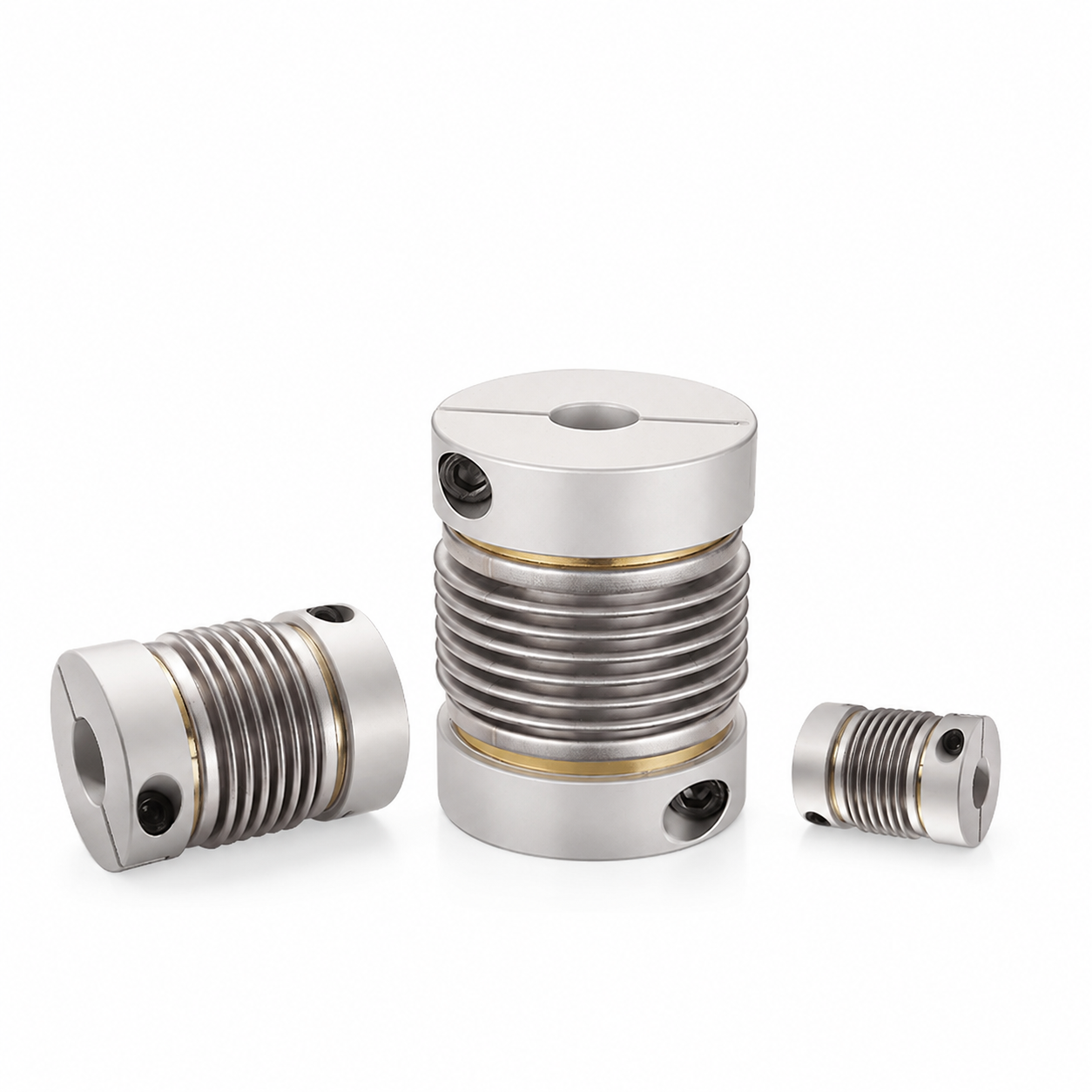
Select shaft couplings by both bores, fastening, space and operating requirements. Compare rigid and bellows designs without assuming equal performance.
Read technical guide →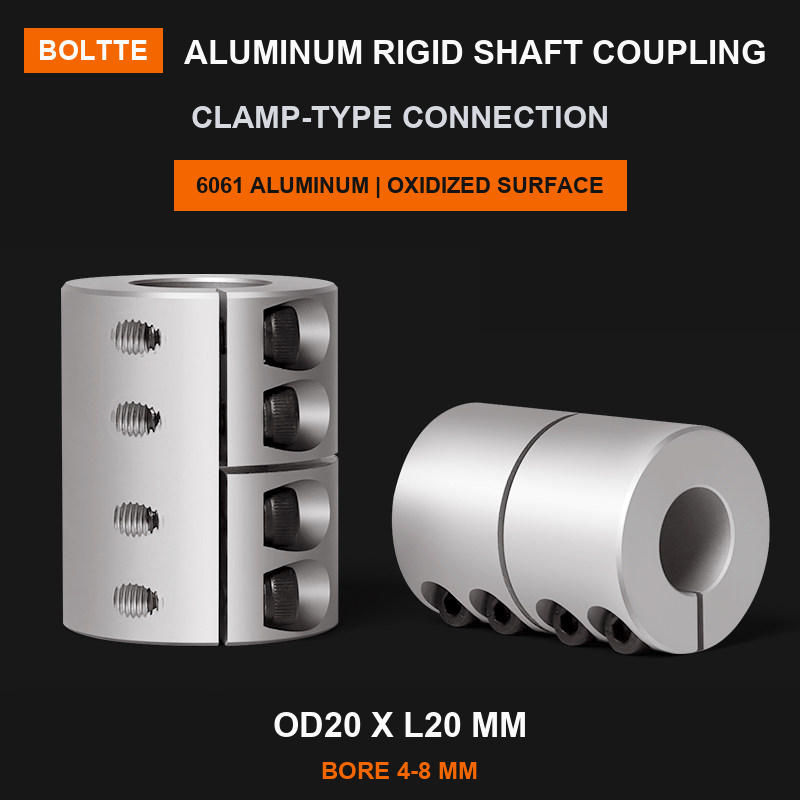
Rigid and flexible shaft couplings connect rotating components, but they solve different assembly problems. Start with shaft alignment, mounting conditions…
Read technical guide →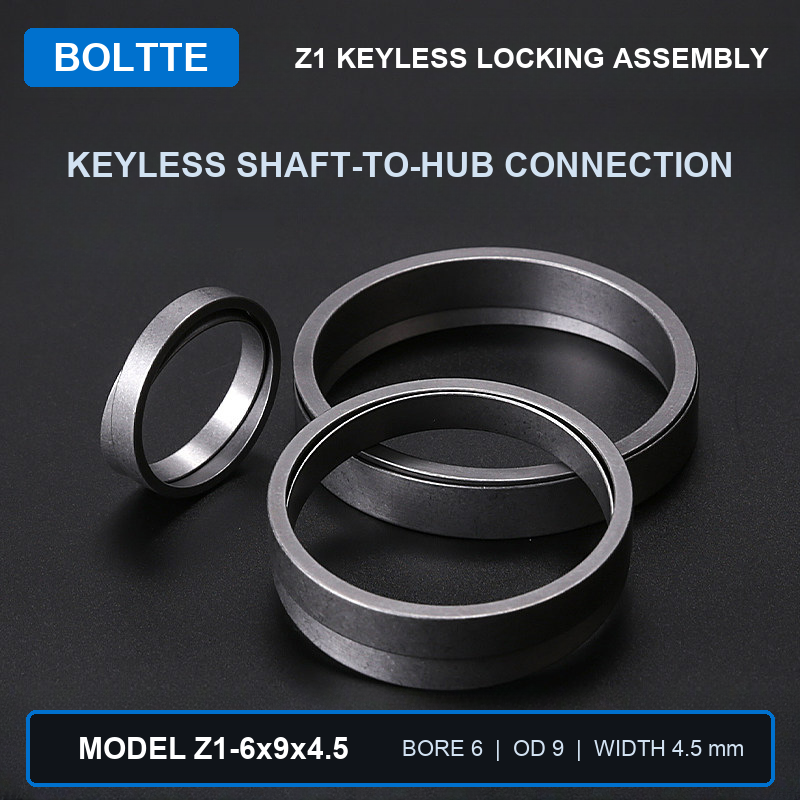
A keyless locking assembly belongs to a shaft-to-hub connection, not a shaft-positioning collar. Correct selection requires the mating shaft, hub bore and…
Read technical guide →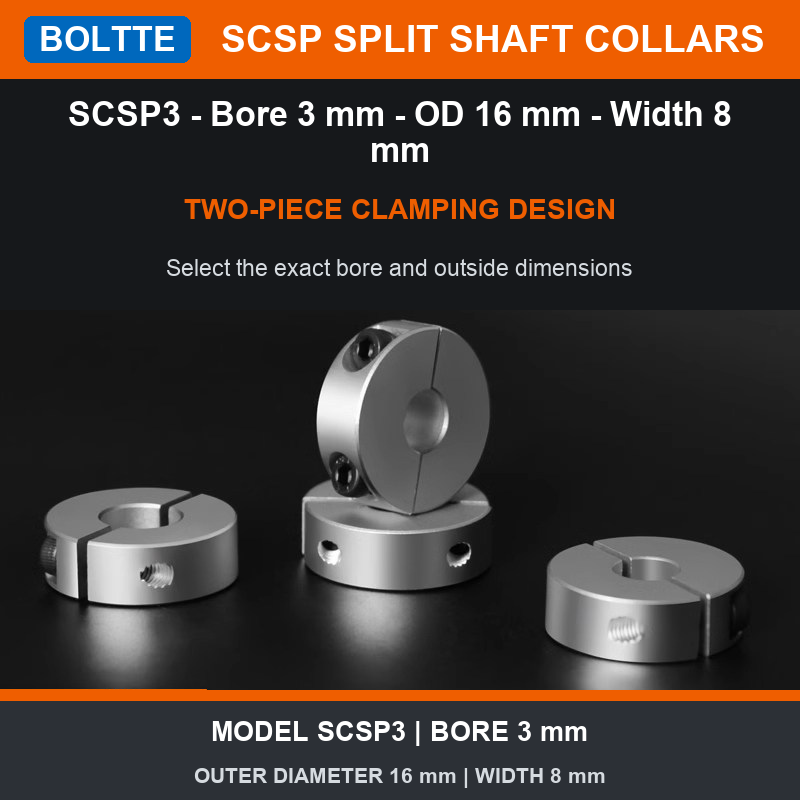
A split collar and a precision locknut can both appear near a bearing or shaft end, but their mating interfaces and retention methods differ. Choose the…
Read technical guide →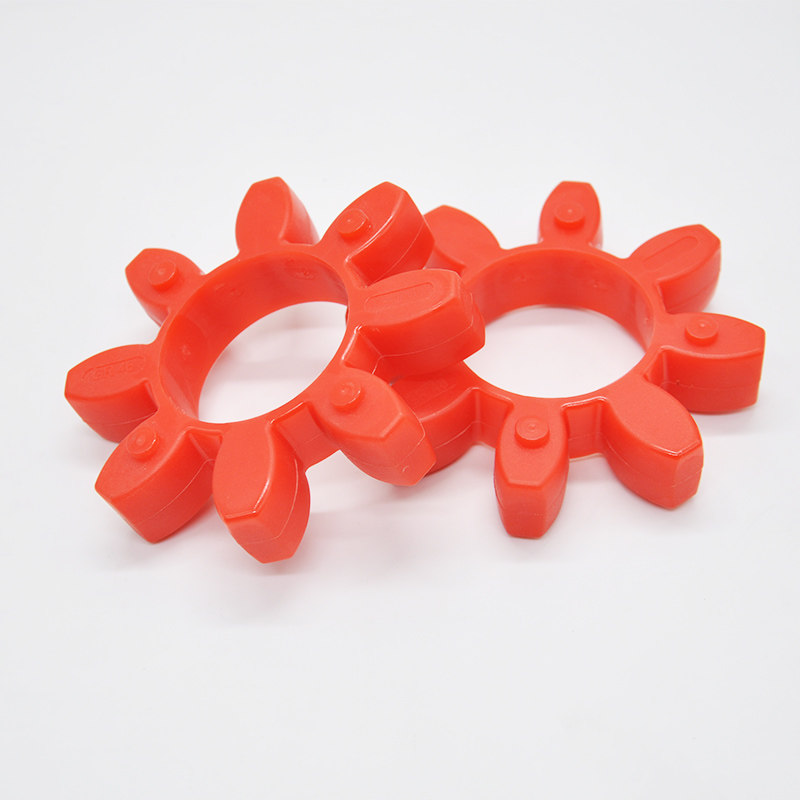
A worn jaw-coupling spider is a replaceable element, but matching its outside diameter is not enough to establish fit. Identify the installed hubs and the…
Read technical guide →
Plan robot gripper fixtures around interfaces, finger geometry, tool mass, routing and validation. Use drawings to select mounting rods and connectors.
Read technical guide →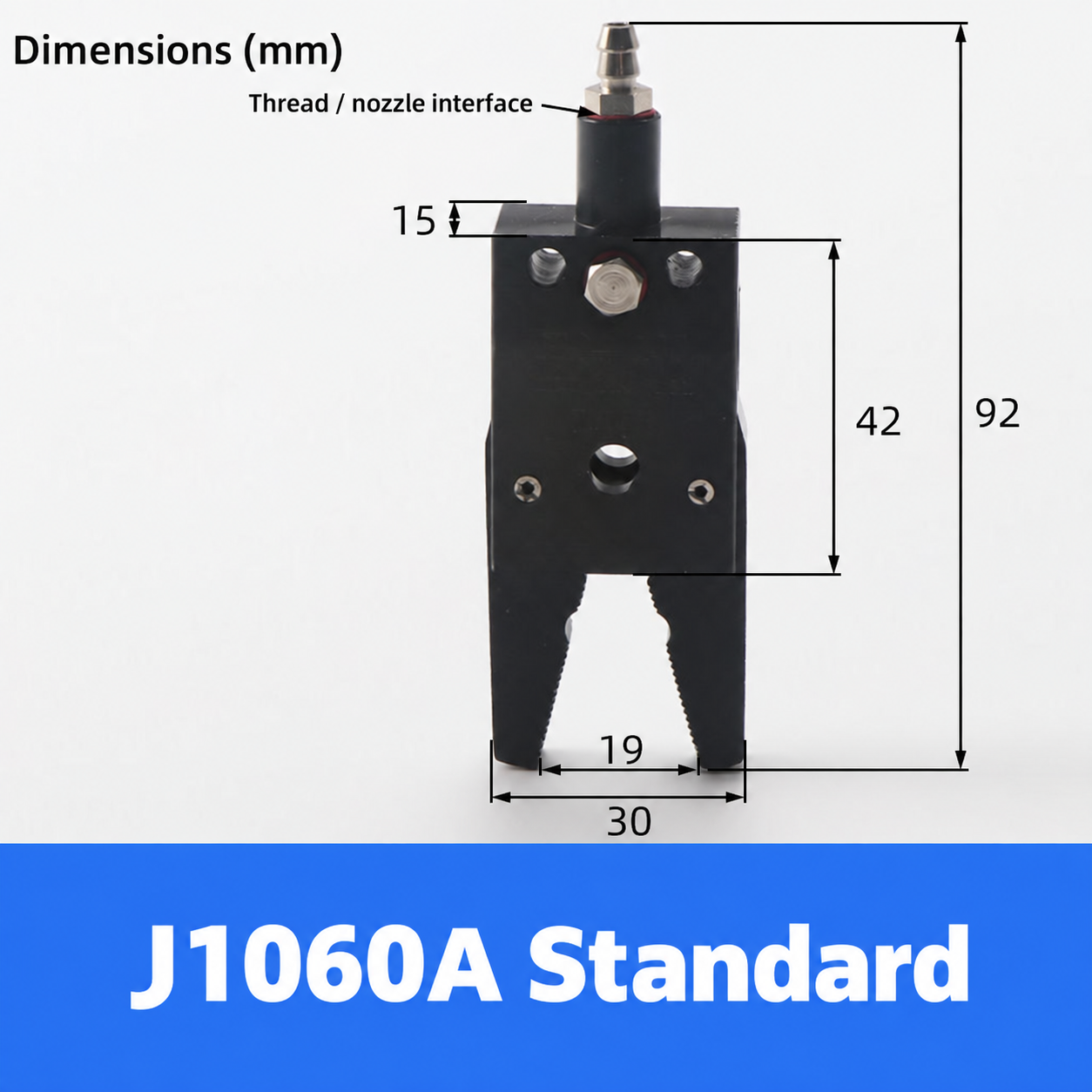
A gripper that fits the robot flange can still be unsuitable for the workpiece. Selection must include the fingers, contact geometry, motion and available…
Read technical guide →A replacement jaw changes the tool's contact geometry even when it bolts onto the same gripper. Match the original interface, opening behavior and workpiece…
Read technical guide →Adjustable rods and brackets help position cups and grippers, but adjustment range alone does not establish a stable tool. Review the entire fixture layout…
Read technical guide →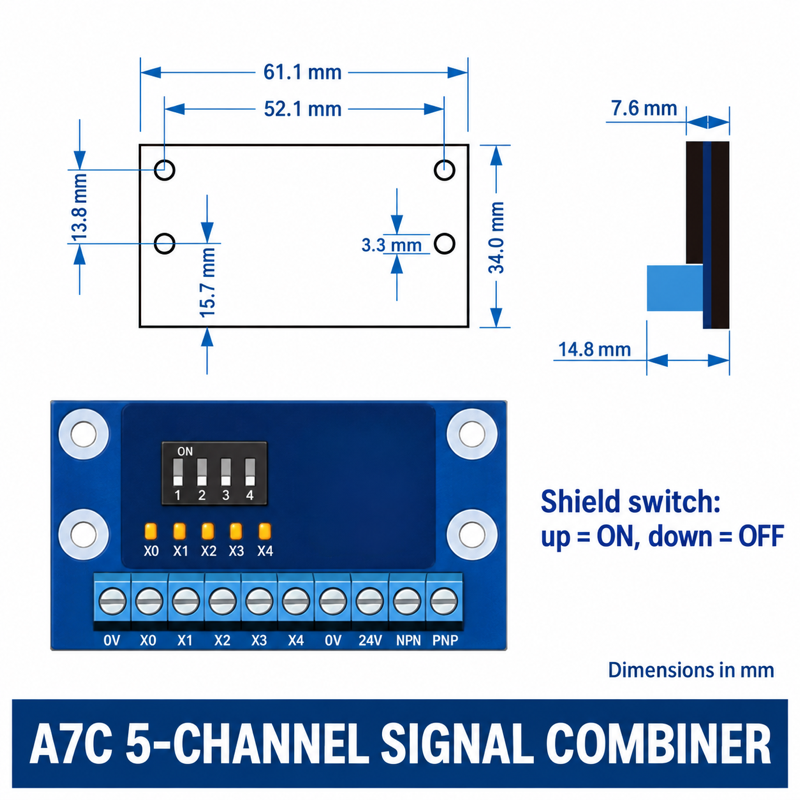
A signal combiner links sensor information within a tooling control arrangement. It is not automatically a safety controller or a substitute for a verified…
Read technical guide →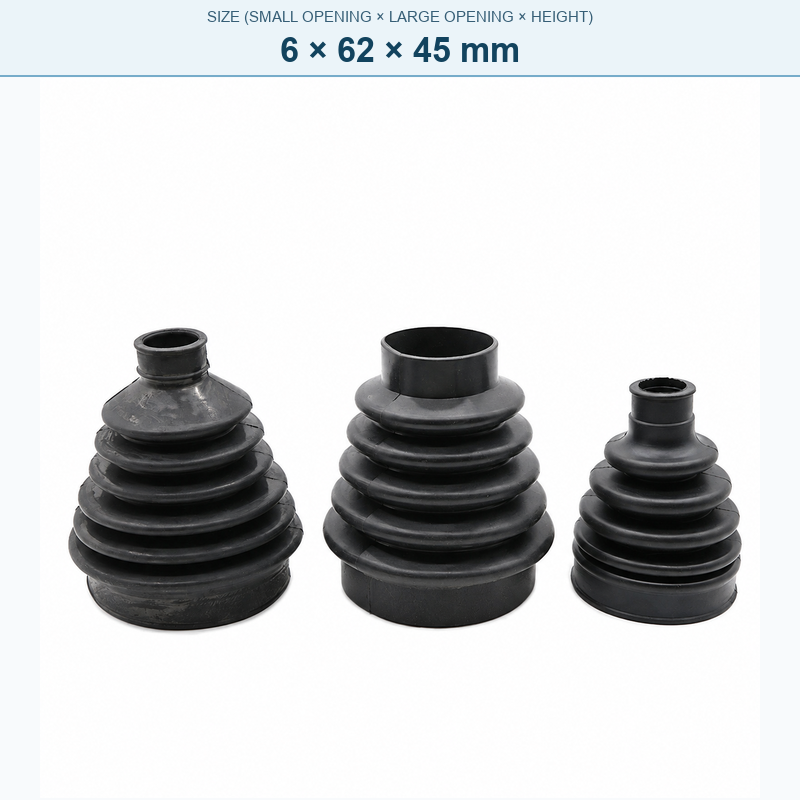
Select rubber bellows and seals by full profile, mounting, travel and operating conditions. Separate dust protection from pressure sealing and cushioning.
Read technical guide →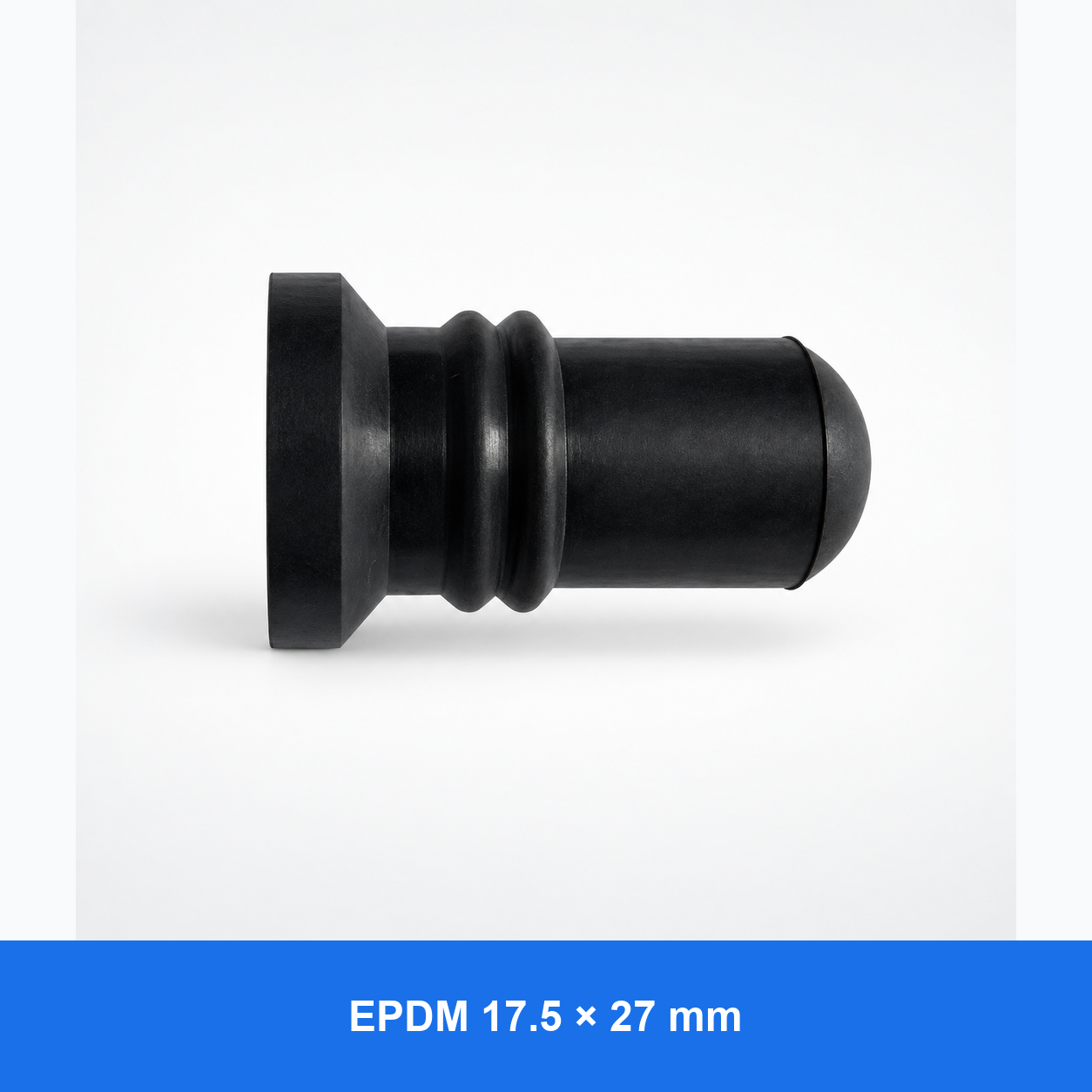
A seal material name is only the beginning of a compatibility review. The compound, fluid, cleaning process and mechanical fit all influence suitability…
Read technical guide →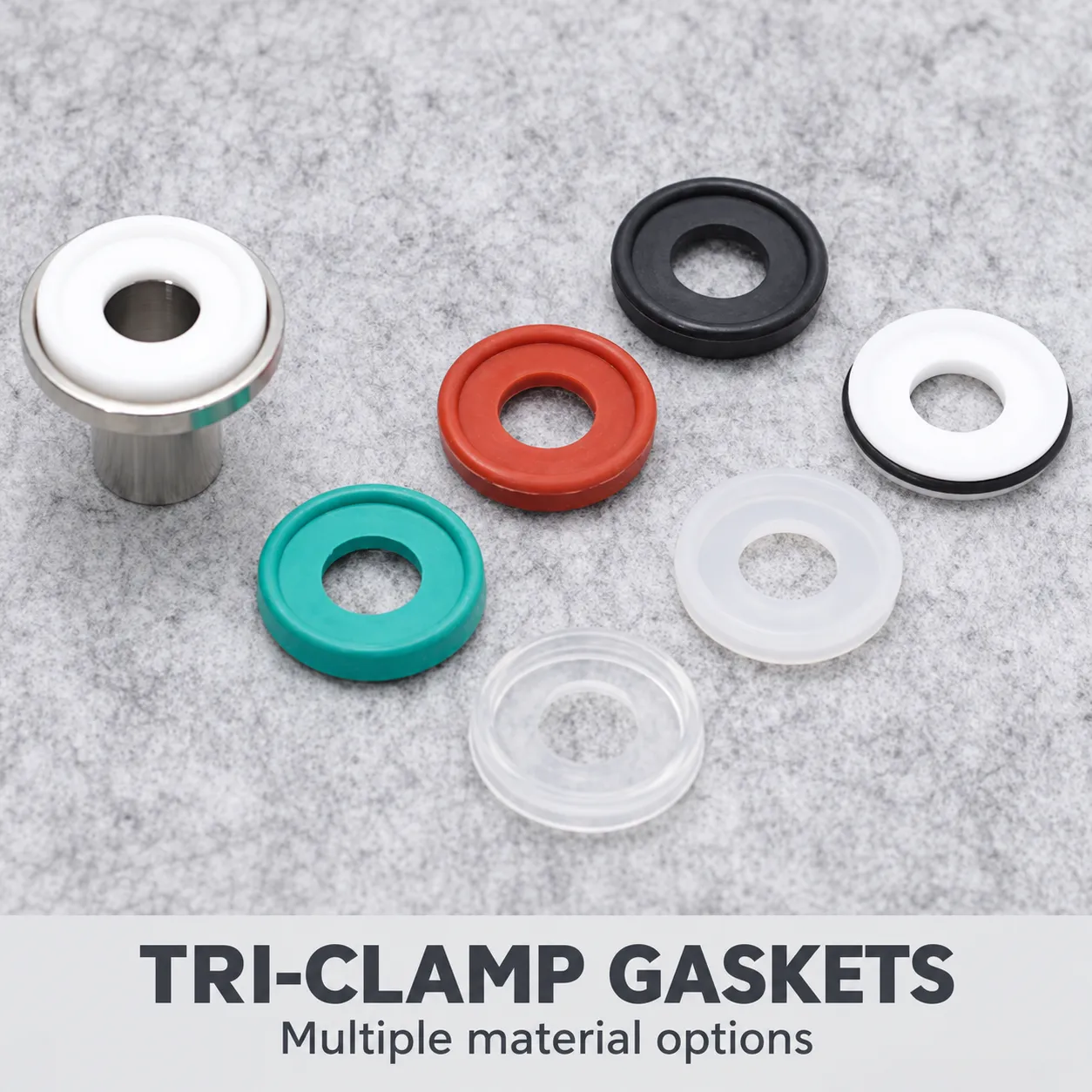
A nominal pipe or clamp size does not completely specify a tri-clamp gasket. Verify the actual ferrule interface, gasket profile and process requirements…
Read technical guide →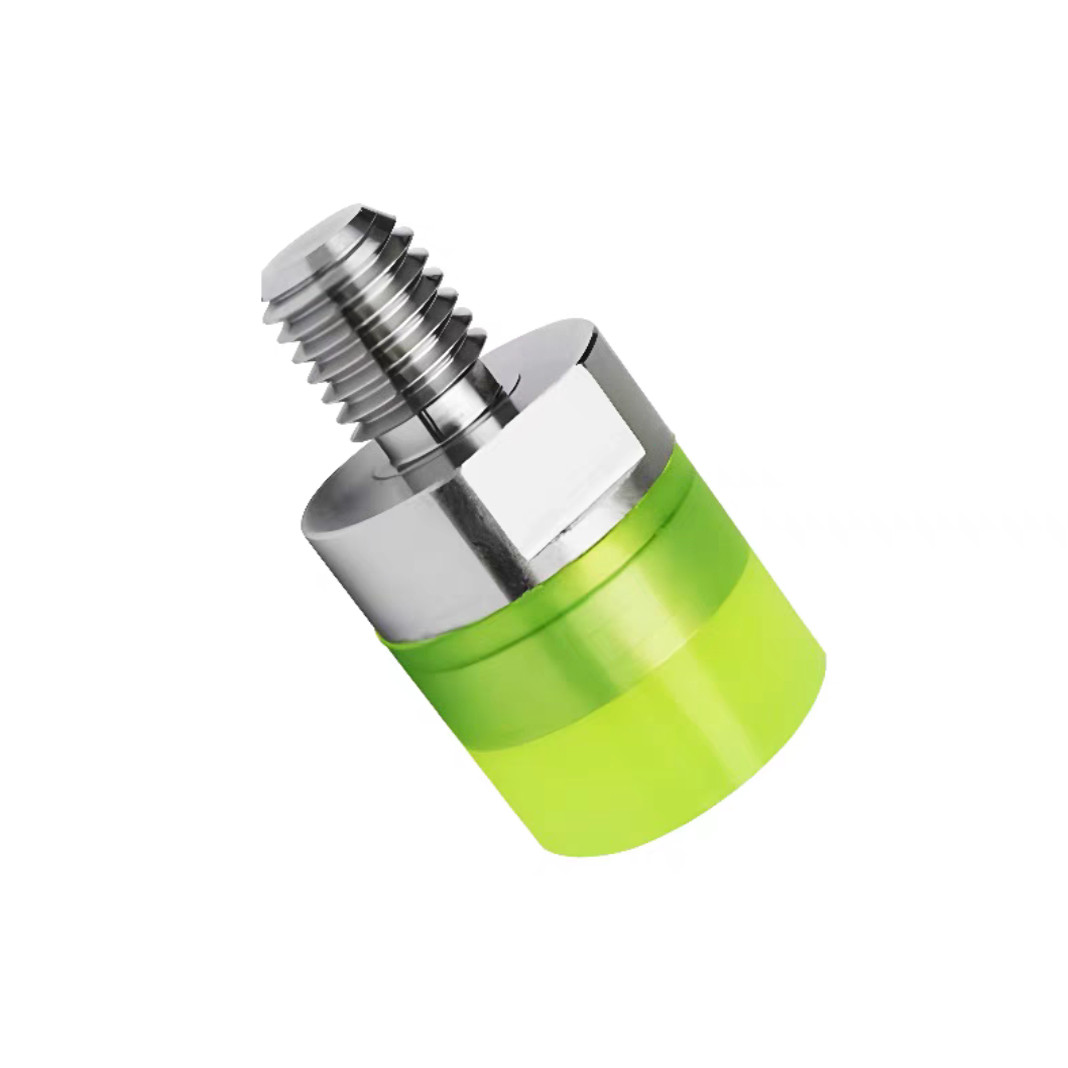
A polyurethane-headed buffer bolt can provide protective contact at a machine stop, but thread size does not define allowable impact energy. Select the…
Read technical guide →A dust bellows must fit its mounting ends while accommodating the mechanism's actual travel. One overall height measurement cannot establish compressed or…
Read technical guide →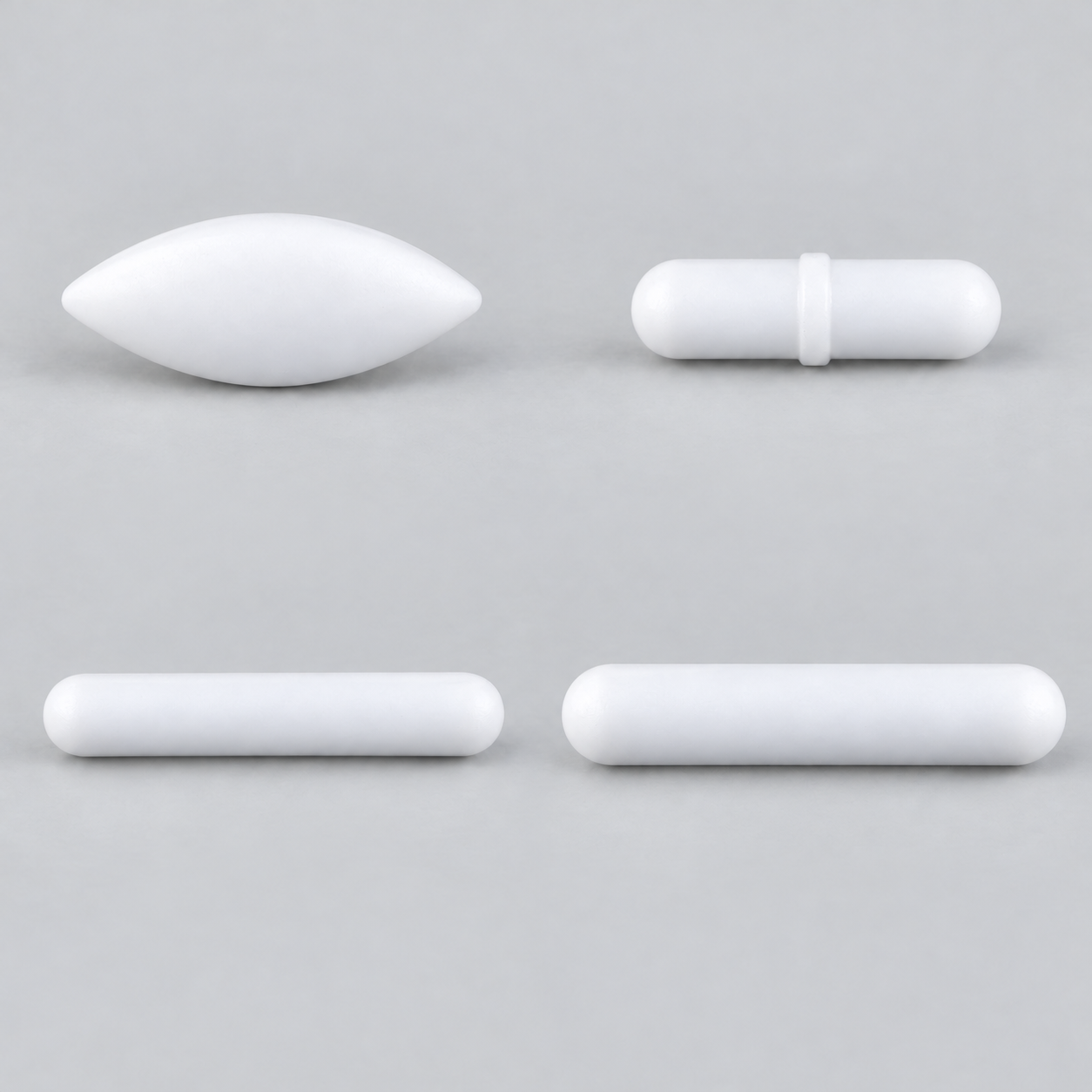
Choose PTFE magnetic stir bars by vessel shape, exact diameter and length, magnetic coupling and temperature limits. Verify series and pack contents.
Read technical guide →A stir bar that stops following the magnetic drive may rattle, move irregularly or cease effective mixing. Increasing speed is not necessarily the solution…
Read technical guide →Cleaning a magnetic stir bar involves both removal of residues and inspection of the coating. PTFE's general material properties do not authorize every…
Read technical guide →
A high-temperature series label is a supplier designation, not an independently verified operating limit for the complete stir bar. Review coating, magnetic…
Read technical guide →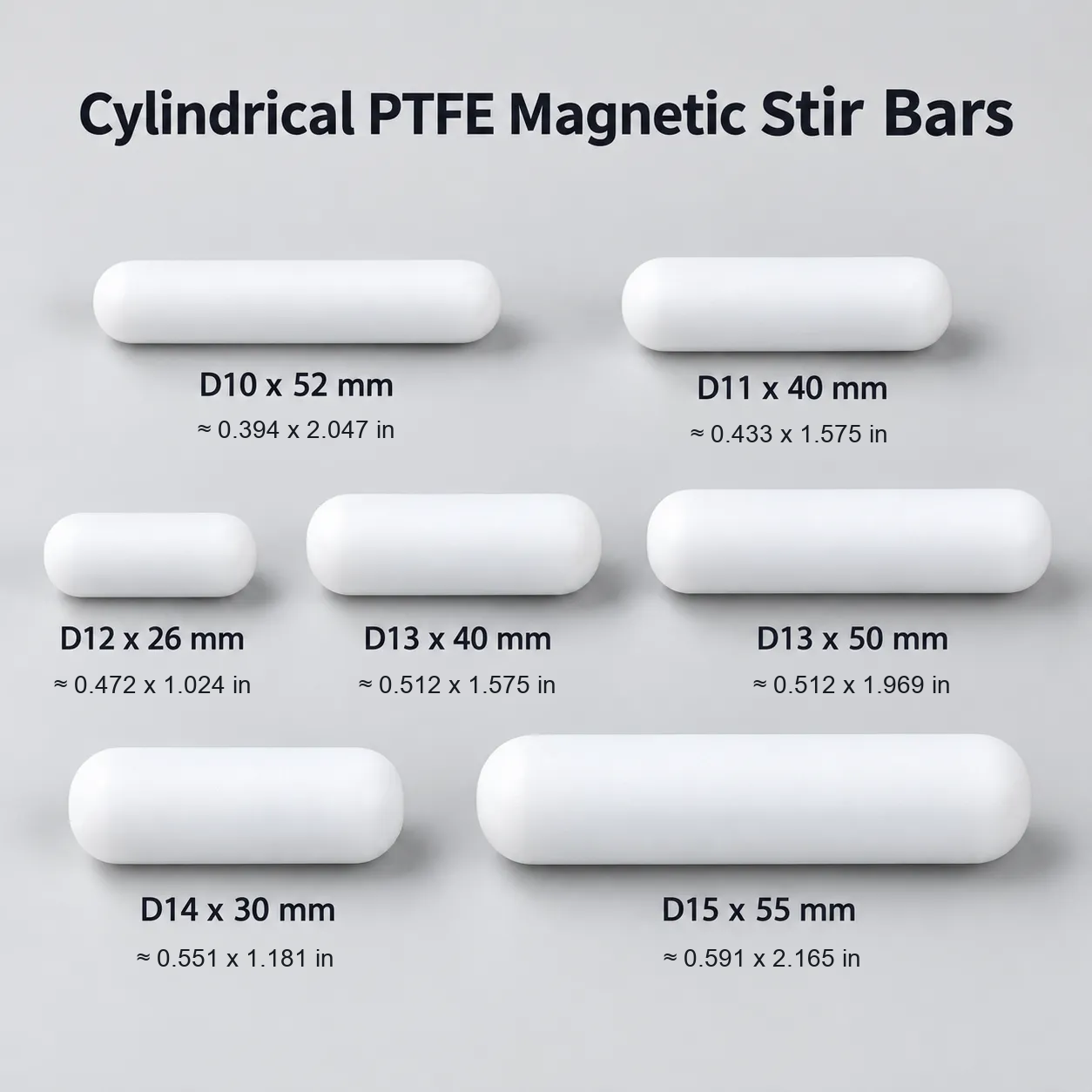
Choosing a stir bar requires the vessel's usable bottom geometry and the bar's full dimensions, not just a short model name. Pack quantity is a separate…
Read technical guide →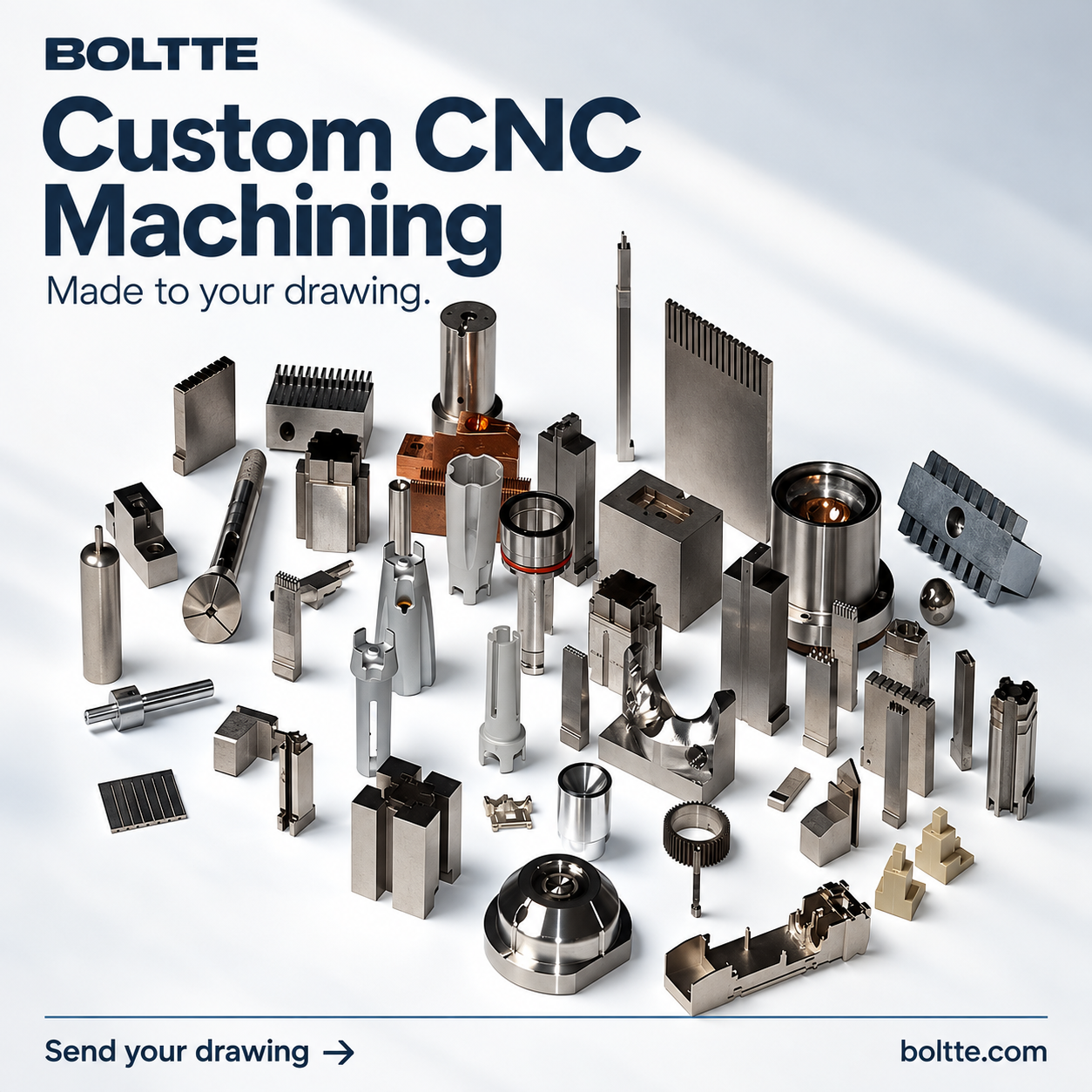
Prepare a custom manufacturing enquiry with a controlled drawing, material, tolerances, quantities and inspection needs. Confirm a quotation before production.
Read technical guide →A request for a stainless steel, aluminum, copper or steel part is incomplete without the material grade and drawing requirements. Define the service and…
Read technical guide →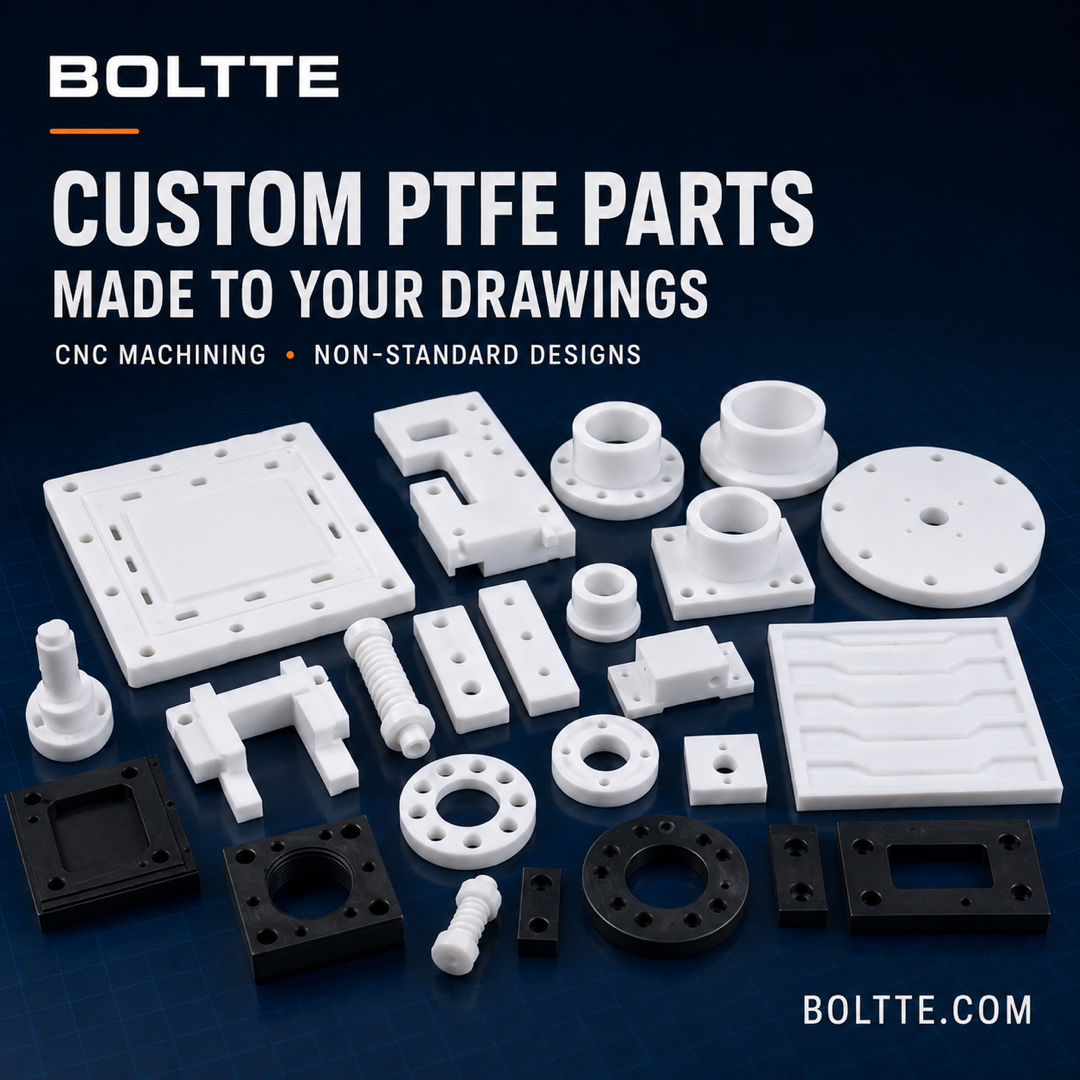
Plastic is a material category, not a complete machining specification. Nylon, PTFE and other engineering polymers require grade-specific review of geometry…
Read technical guide →
A gear quotation needs more than outside diameter and tooth count. Supply the tooth system, mounting features and mating-part information so the geometry…
Read technical guide →A one-piece prototype can answer a useful design question when its purpose and acceptance criteria are clear. BOLTTE accepts one-piece and small-batch…
Read technical guide →