Cleaning a magnetic stir bar involves both removal of residues and inspection of the coating. PTFE's general material properties do not authorize every cleaning or sterilization method for a complete coated magnet. Use a procedure confirmed for the selected bar and the laboratory's contamination-control requirements.
1. Define the cleaning objective
Identify the previous medium, likely residues and the next intended use. State whether routine cleaning, trace-level contamination control or a validated sterilization process is required.
These are different acceptance criteria. A visually clean white surface is not proof that a stir bar meets a process's chemical or microbiological cleanliness requirement.
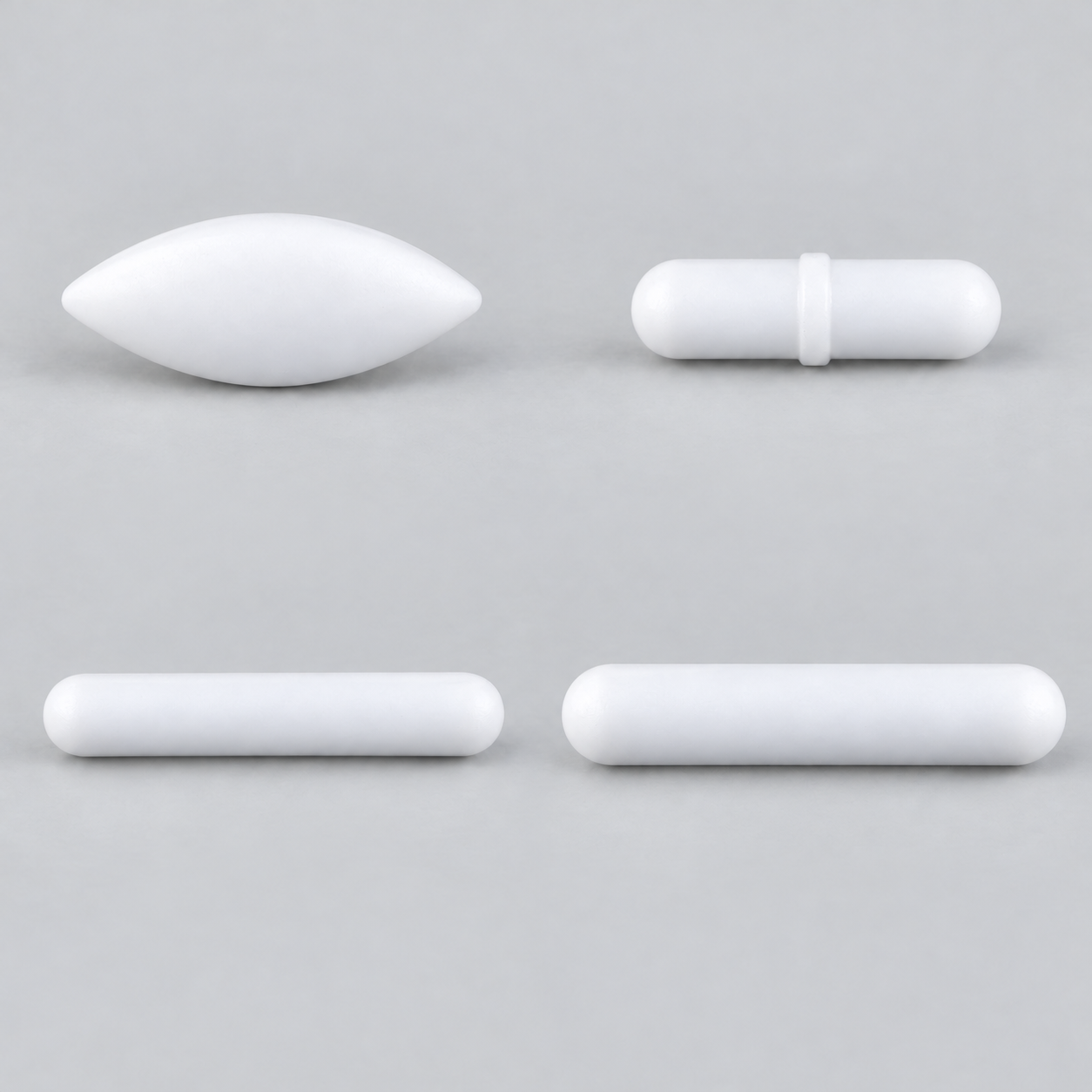
2. Confirm the complete assembly
The bar combines a coating and a magnetic core. Request permitted cleaning agents, temperatures and exposure durations for the selected assembly. Do not assume that a general PTFE chemical-resistance statement also covers a damaged coating or the entire bar.
IKA describes methods for its own bars. That guidance should not be presented as universal permission to autoclave every BOLTTE selection.
3. Handle residues under the laboratory procedure
Stop the drive and follow the site's safe handling and waste procedures before removal. Select retrieval and handling equipment suitable for the medium and vessel. Allow hot equipment to reach the appropriate handling condition.
Do not improvise chemical mixtures, aggressive abrasion or a heating cycle from a generic online tip. Confirm the method with the responsible laboratory personnel and supplier where needed.
4. Inspect the coating after cleaning
Look for cracks, scratches, exposed material, distortion and residues that remain after the accepted procedure. Record damage rather than polishing or trimming it away to restore appearance.
Remove questionable bars from the approved-use stock pending review. A damaged coating can change suitability even when the bar still follows the stirrer drive.
5. Separate storage and process histories
Keep clean, used and rejected bars identifiable. Where cross-contamination matters, dedicate bars to the relevant process and retain a cleaning record. Avoid mixing visually similar standard and supplier-designated high-temperature series.
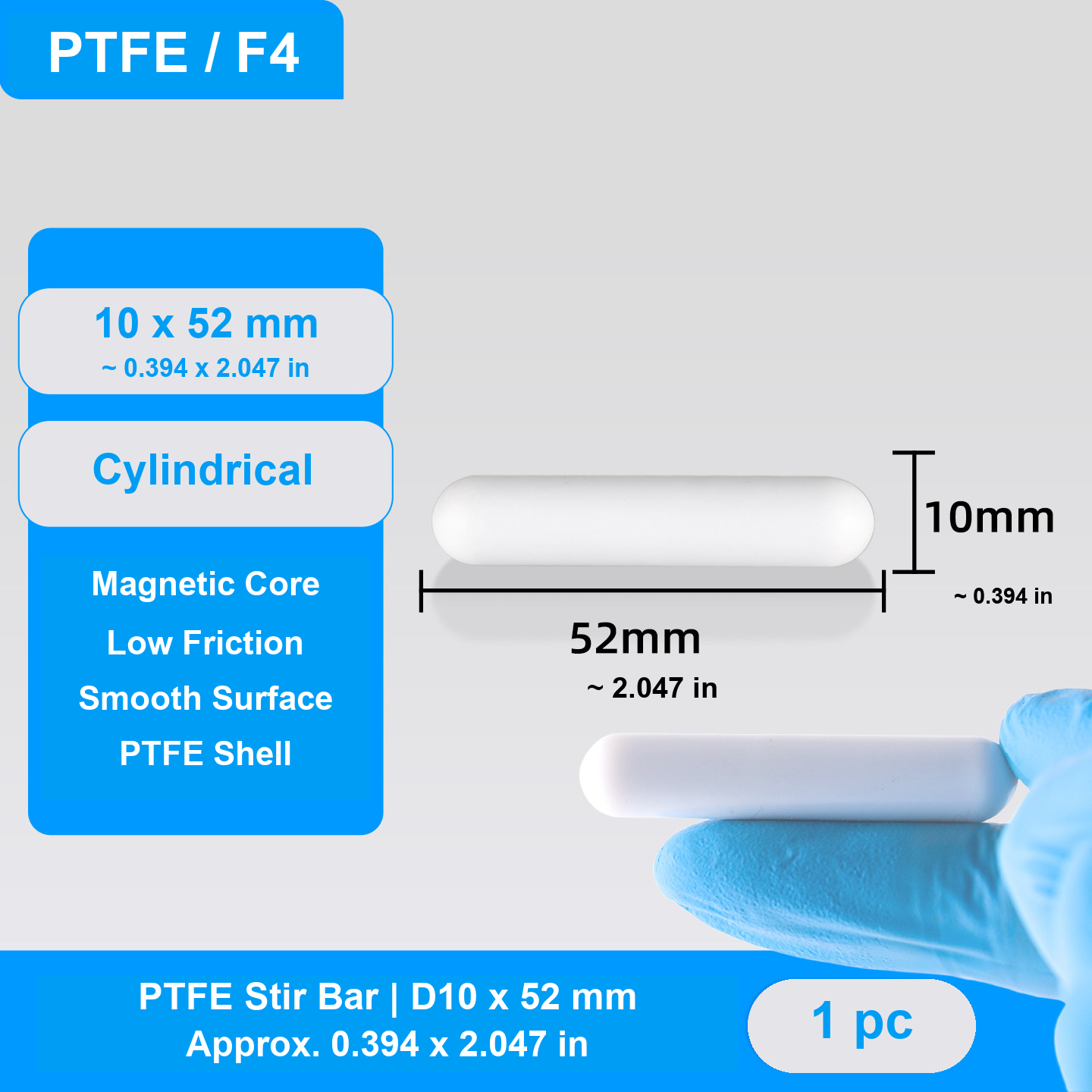
Record dimensions and series as well as location. A size label alone may not identify the assembly or its accepted cleaning conditions.
6. Request documentation before adoption
Specify coating, dimensions, medium, cleaning method and any required traceability or compliance documents in the inquiry. Agree on inspection and retirement criteria before the bar enters a controlled process.
Do not market a catalogue bar as sterile, food-certified or validated for a pharmaceutical procedure without the relevant evidence. Keep the accepted supplier information with the laboratory's own procedure.
7. Related products and next steps
Standard PTFE stir bars · Cylindrical bar selections.
Send the complete model code, drawings or photographs, required quantity and application conditions to boltte@boltte.com. Confirm missing specifications in writing before ordering. Catalogue images illustrate the linked product family; they are not proof of compatibility, tested capacity or certification for your installation.
8. Further technical reading
These manufacturer references explain general engineering principles. Their product ratings, test results and installation values do not apply automatically to BOLTTE selections.