A high-temperature series label is a supplier designation, not an independently verified operating limit for the complete stir bar. Review coating, magnetic core, medium and temperature control together. Do not use a claimed magnet limit or a PTFE property as permission to operate the assembled product at that temperature.
1. Identify the exact series and model
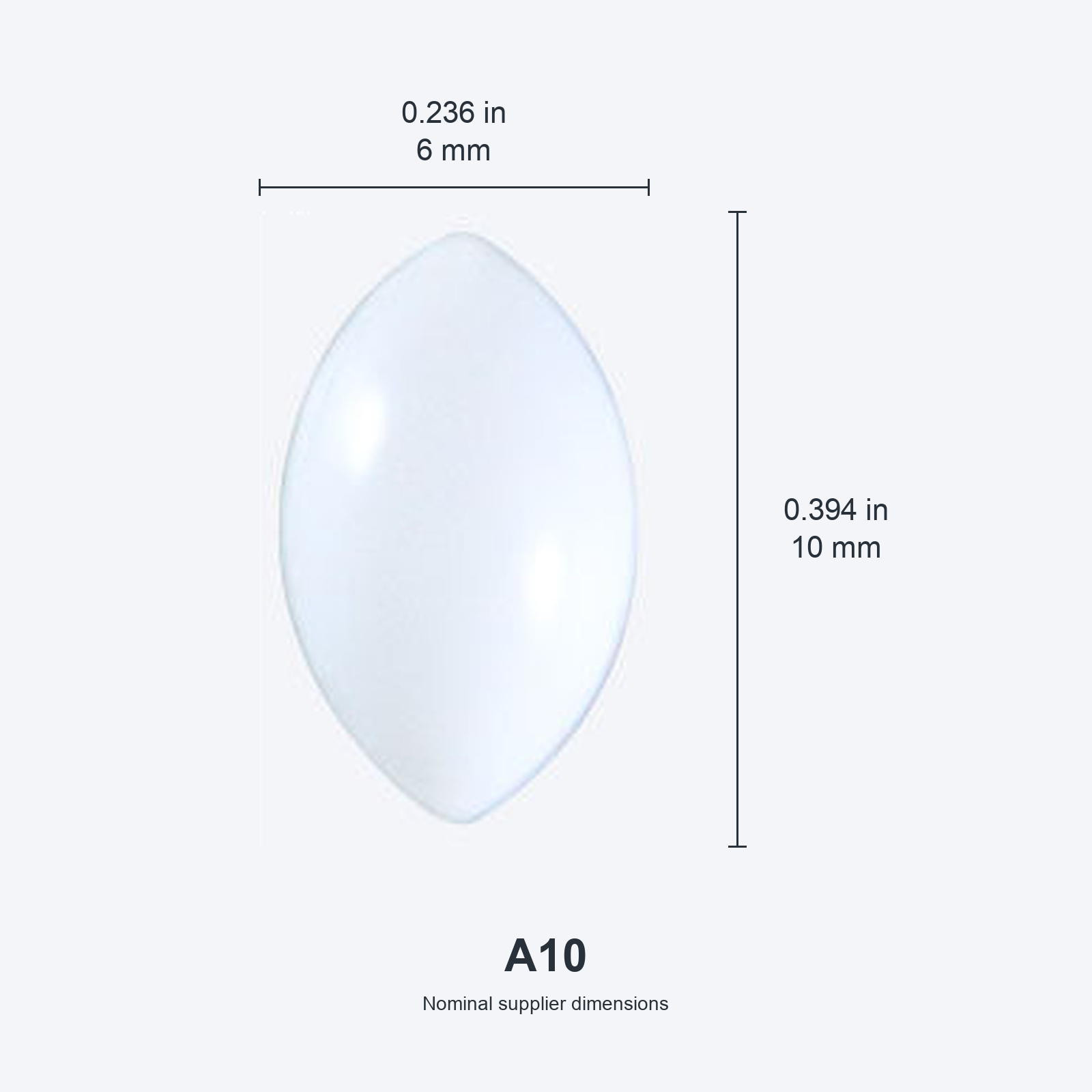
Keep standard and supplier-designated high-temperature bars separate. Similar A, B or C codes can describe different dimensions between listings. Read the full model table and confirm the supplied quantity.
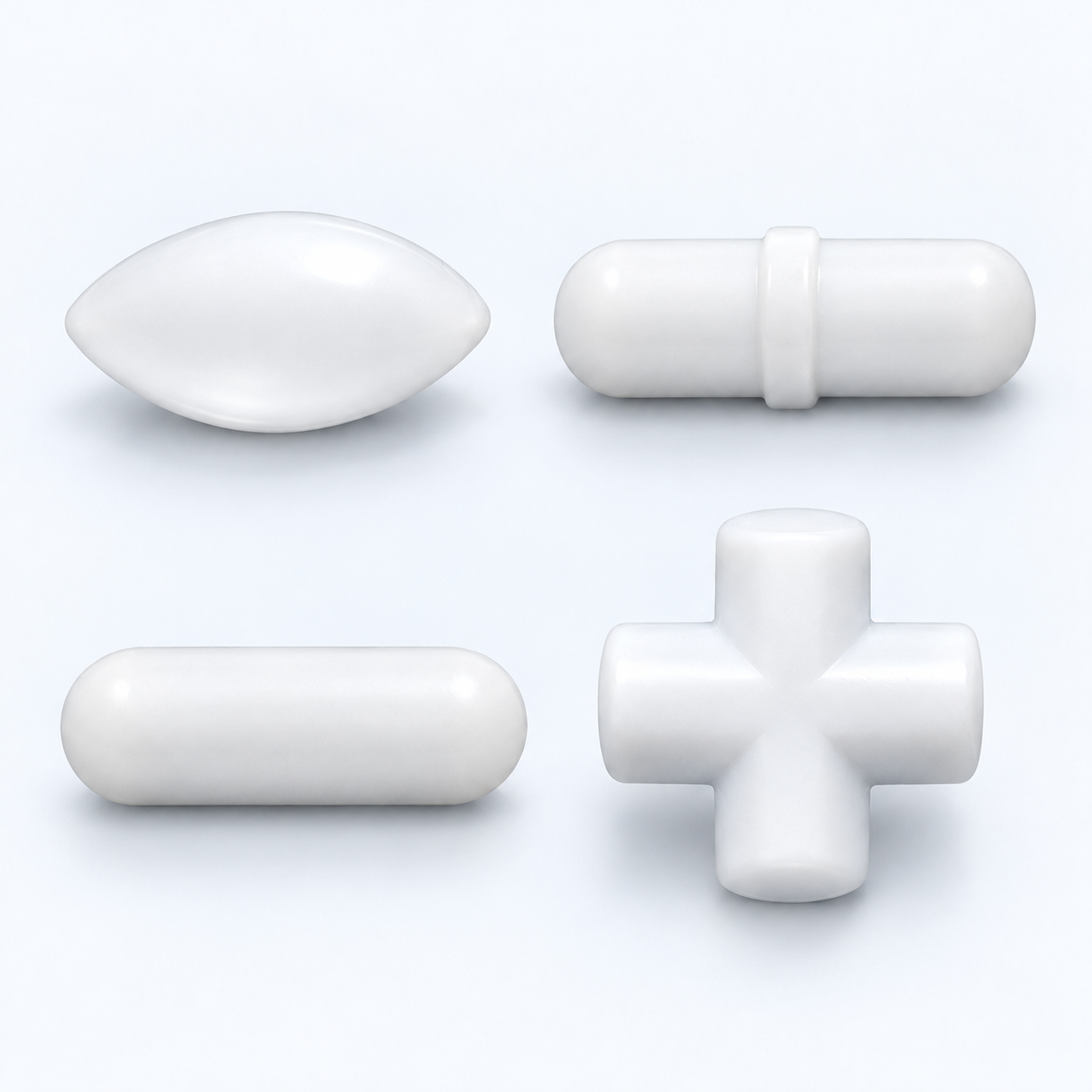
The linked high-temperature range supplies one selected bar; its shape overview is not a four-piece set. Record the series in the laboratory inventory, not just the short model code.
2. Request a complete operating limit
Ask for the coating and core specifications, continuous operating conditions, exposure duration and applicable test evidence. Distinguish a transient or ultimate material claim from a supported service limit for the assembly.
The linked listing explicitly identifies supplier temperature claims as unverified. Do not reproduce those claims as a safe process setting or an independent product certification.
3. Include the actual medium
Provide chemical identity, concentration, vessel material and the heating procedure under review. Temperature suitability does not establish chemical compatibility, and chemical compatibility alone does not validate hot operation.
Ask how the selected assembly is assessed under the intended conditions. Where evidence is unavailable, treat suitability as unresolved rather than inferring it from another manufacturer's coated bar.
4. Review measurement and control
Distinguish hotplate setpoint, measured liquid temperature and local conditions at the vessel bottom. Use the instrument and laboratory procedures to define suitable sensing, limits and safeguards.
Do not turn a translated supplier heating suggestion into a validated laboratory protocol. The process owner must review the complete setup, including overheating precautions and handling requirements.
5. Check mixing and condition after use
During an approved test, observe coupling and mixing performance without exceeding confirmed conditions. After safe removal, inspect the coating and record any deformation, damage or performance change.
Do not reuse a questionable bar solely because it still rotates. Loss of stirring stability and visible coating damage require separate investigation and disposition.
6. Agree acceptance before ordering
Send required dimensions, medium, intended temperature profile, duration, instrument and vessel information. Request written confirmation and supporting documentation for the application.
Keep the accepted limits and traceability with the bar's inventory record. If confirmation cannot be obtained, select an appropriately documented alternative rather than relying on a high-temperature name or promotional image.
7. Related products and next steps
High-temperature-series listing · Standard-series comparison.
Send the complete model code, drawings or photographs, required quantity and application conditions to boltte@boltte.com. Confirm missing specifications in writing before ordering. Catalogue images illustrate the linked product family; they are not proof of compatibility, tested capacity or certification for your installation.